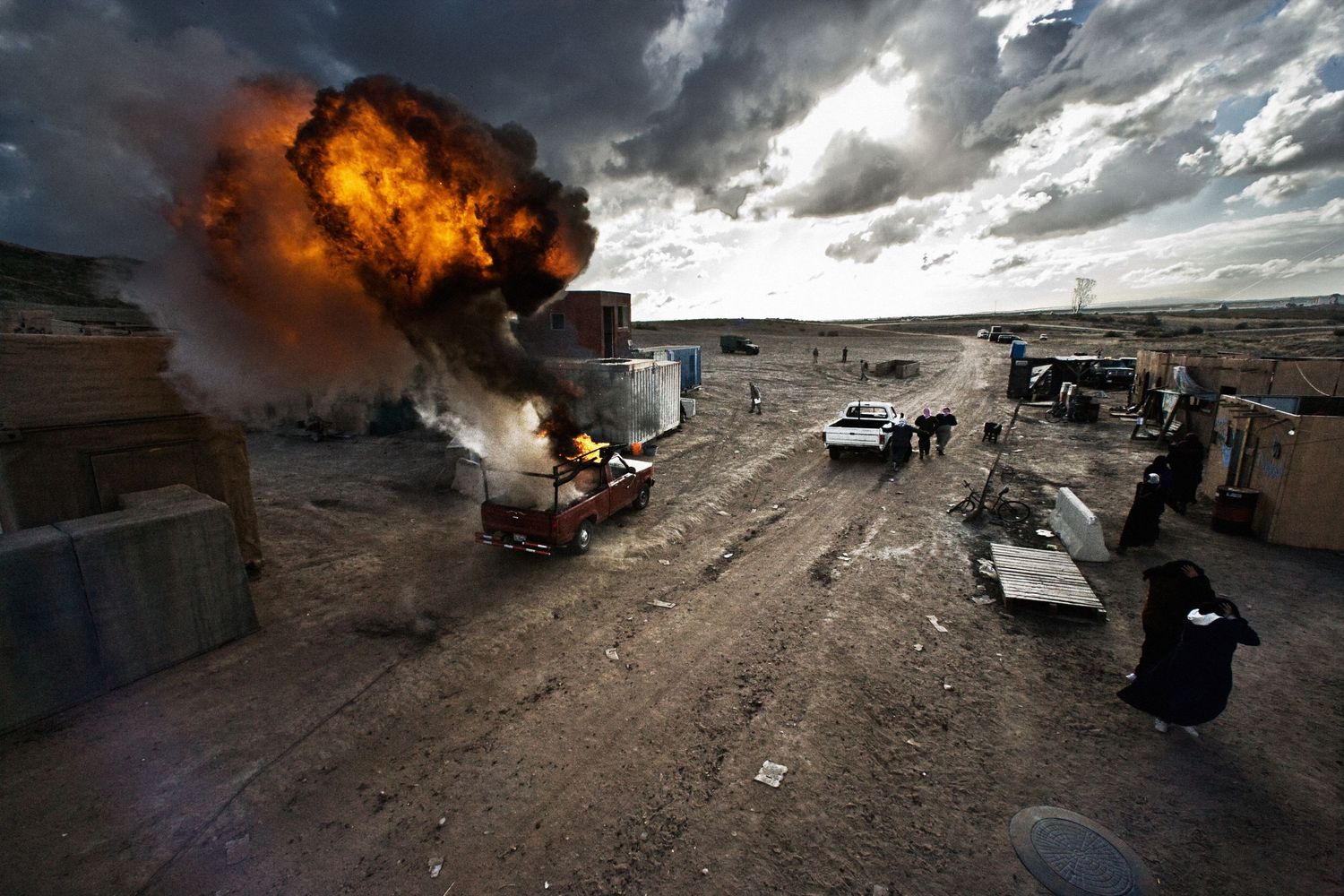
US Marines Corps
AFTER OVERWHELMINGLY POSITIVE RESPONSE TO THE ONLY EASY DAY WAS YESTERDAY A FOLLOW UP WAS REQUESTED, THIS TIME SPOTLIGHTING THE UNITED STATES MARINE CORPS FROM RECRUIT TO SOLDIER
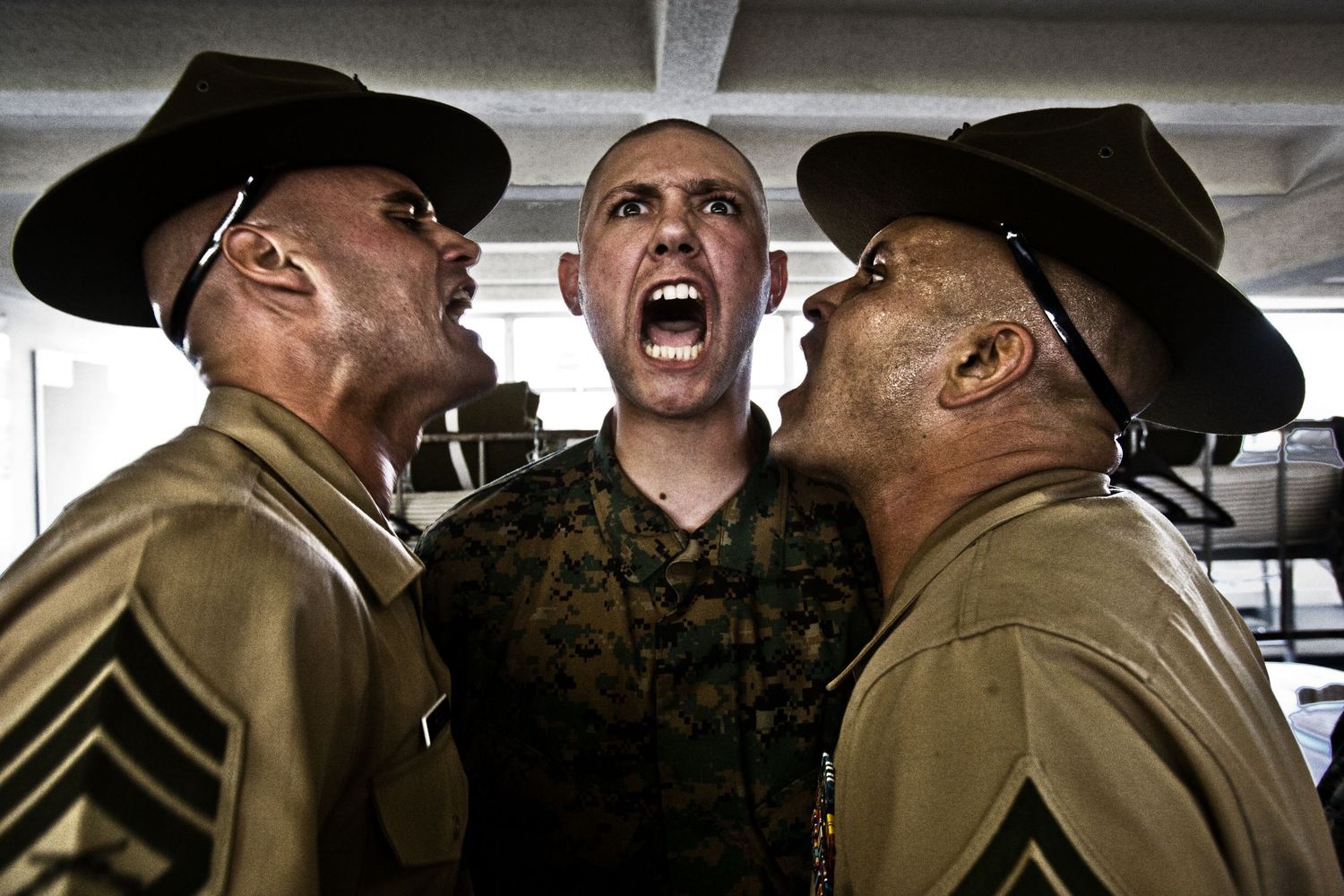
Yes Drill Sergeant

Upon arrival at Marine boot camp, recruit undergos a process where all their civilian clothes are confiscated and replaced with military-issued uniforms. This is a symbolic and practical process to strip away individual identity and foster a sense of unity among the recruits.
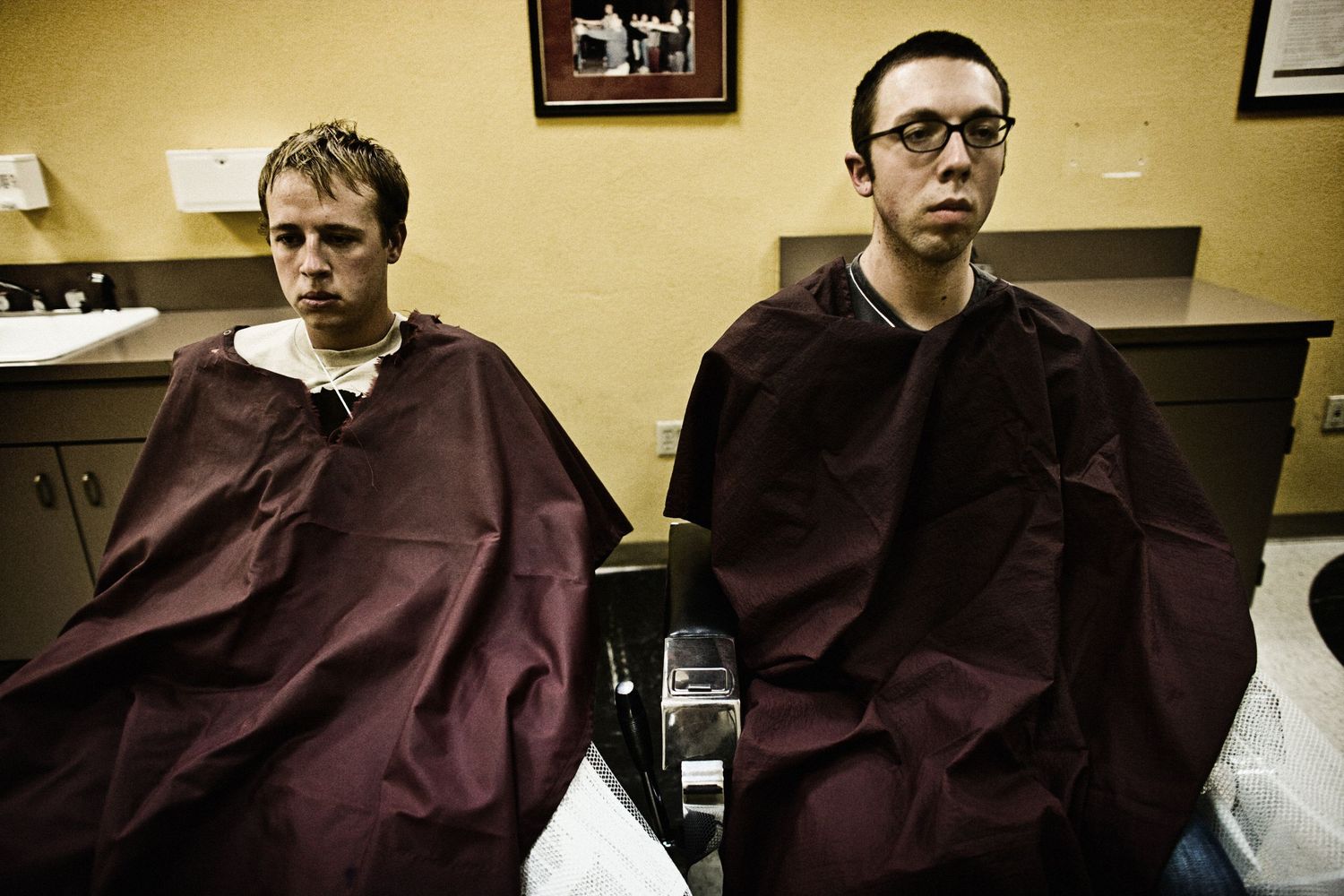
Recruits awaiting The buzz cut is an infamous rite of passage for new military recruits, symbolizing the end of civilian life and the beginning of military identity. Recruits lining up for the induction haircut are often depicted as experiencing a moment of psychological shock, apprehension, and transformation.
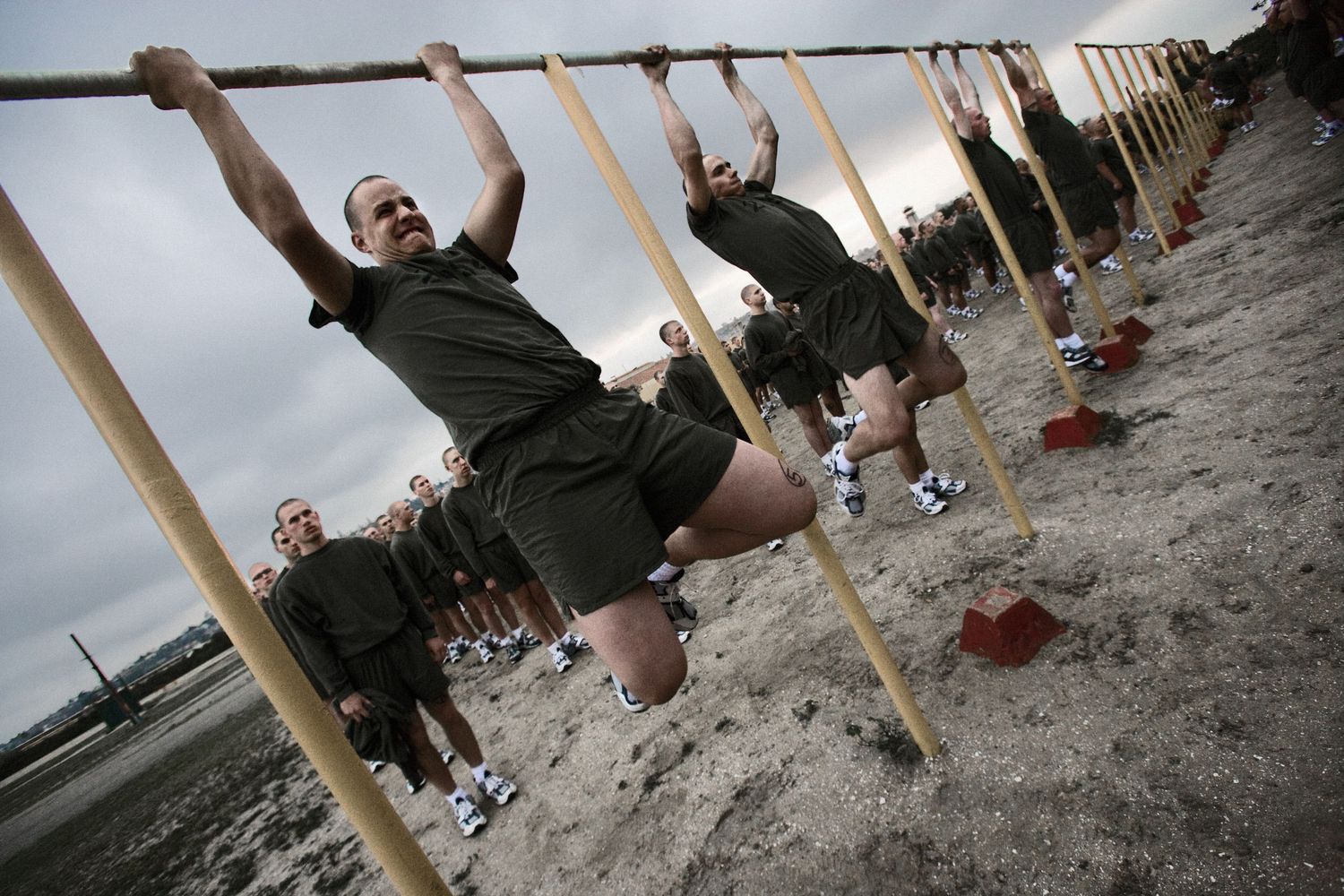
Recruits performing initial lifting physical fitness tests
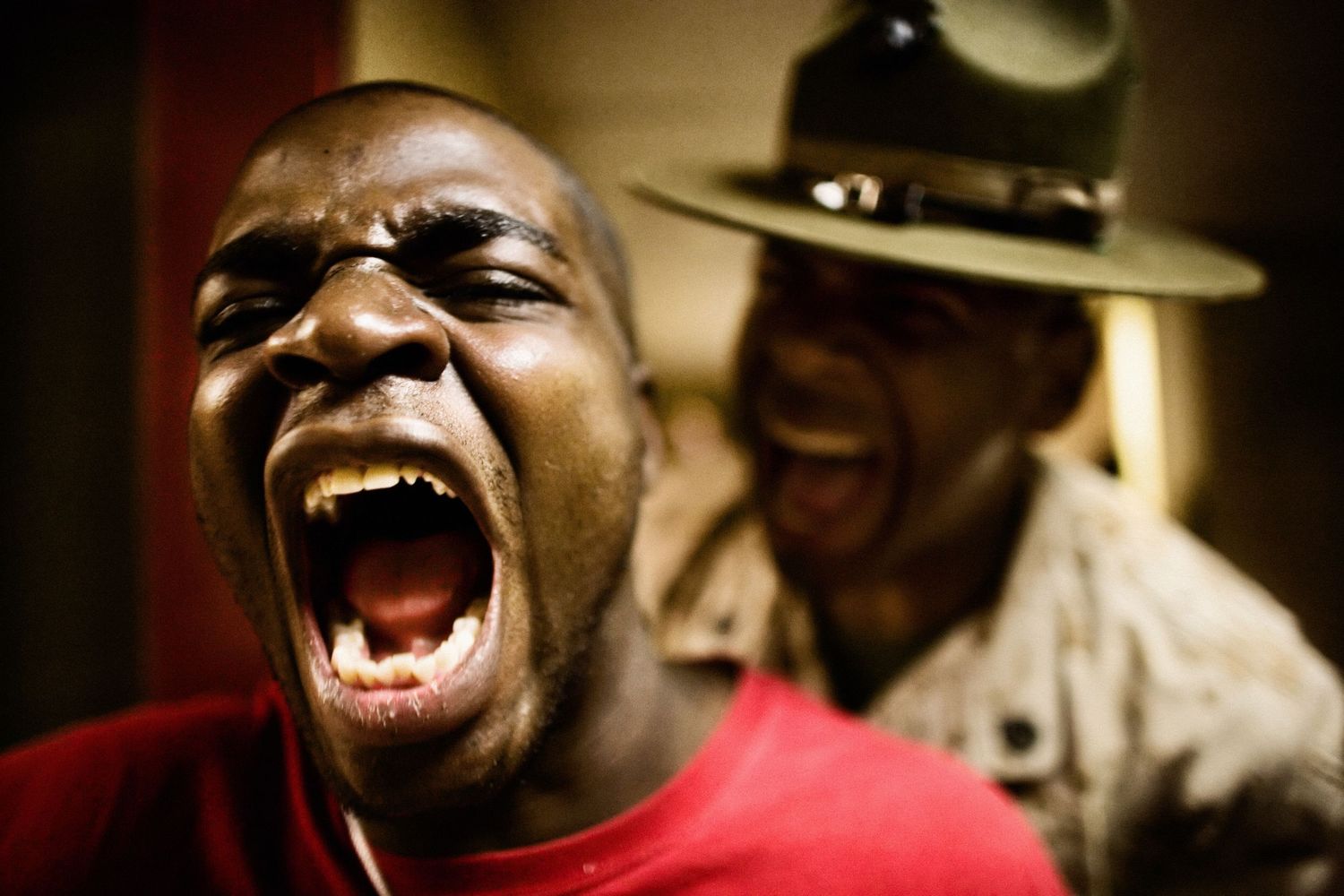
Recruit receiving some words by the Drill instructor
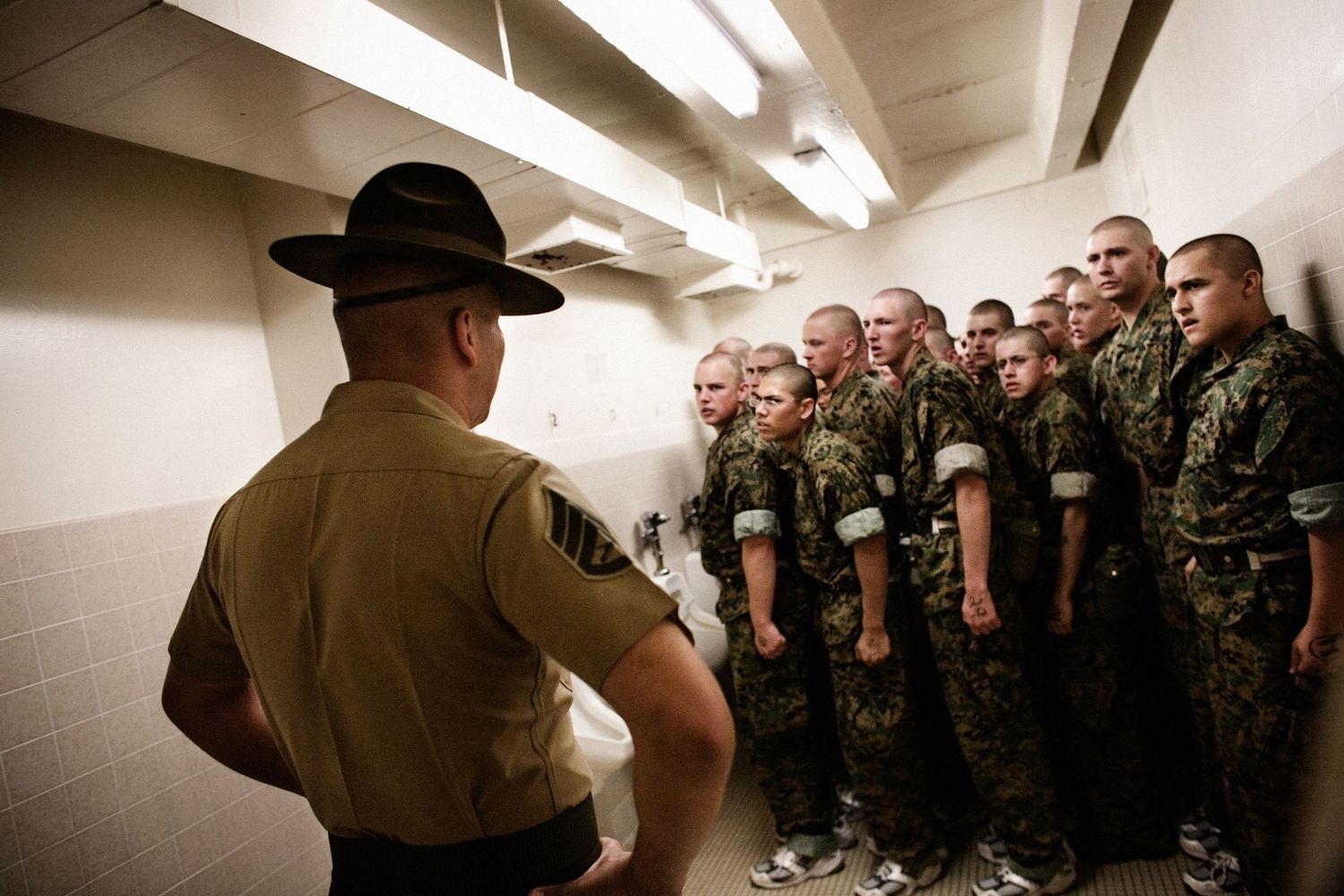
Recruits getting lesson how to use the bathroom by the Drill Instructor
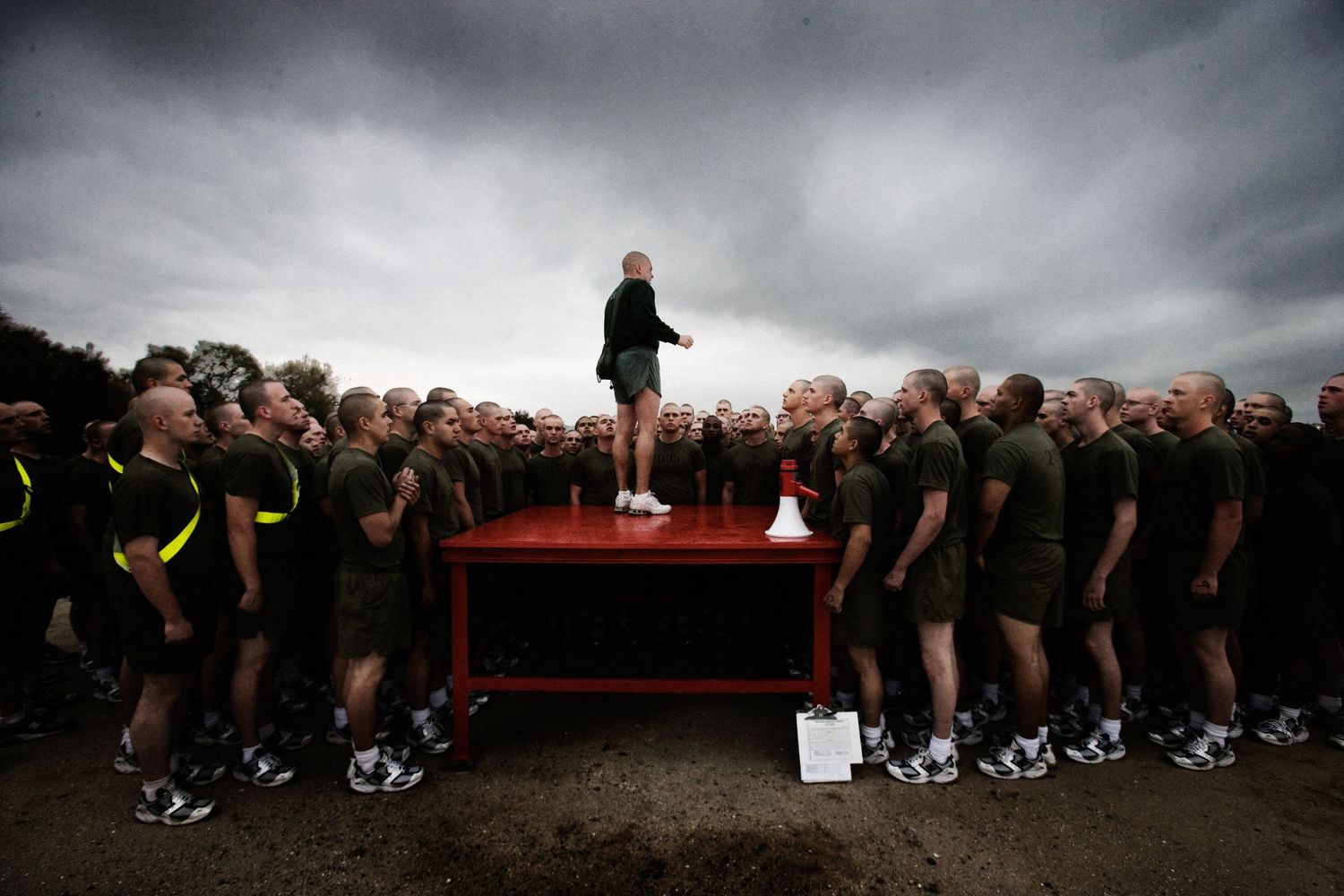
Receiving instructions for a day of training
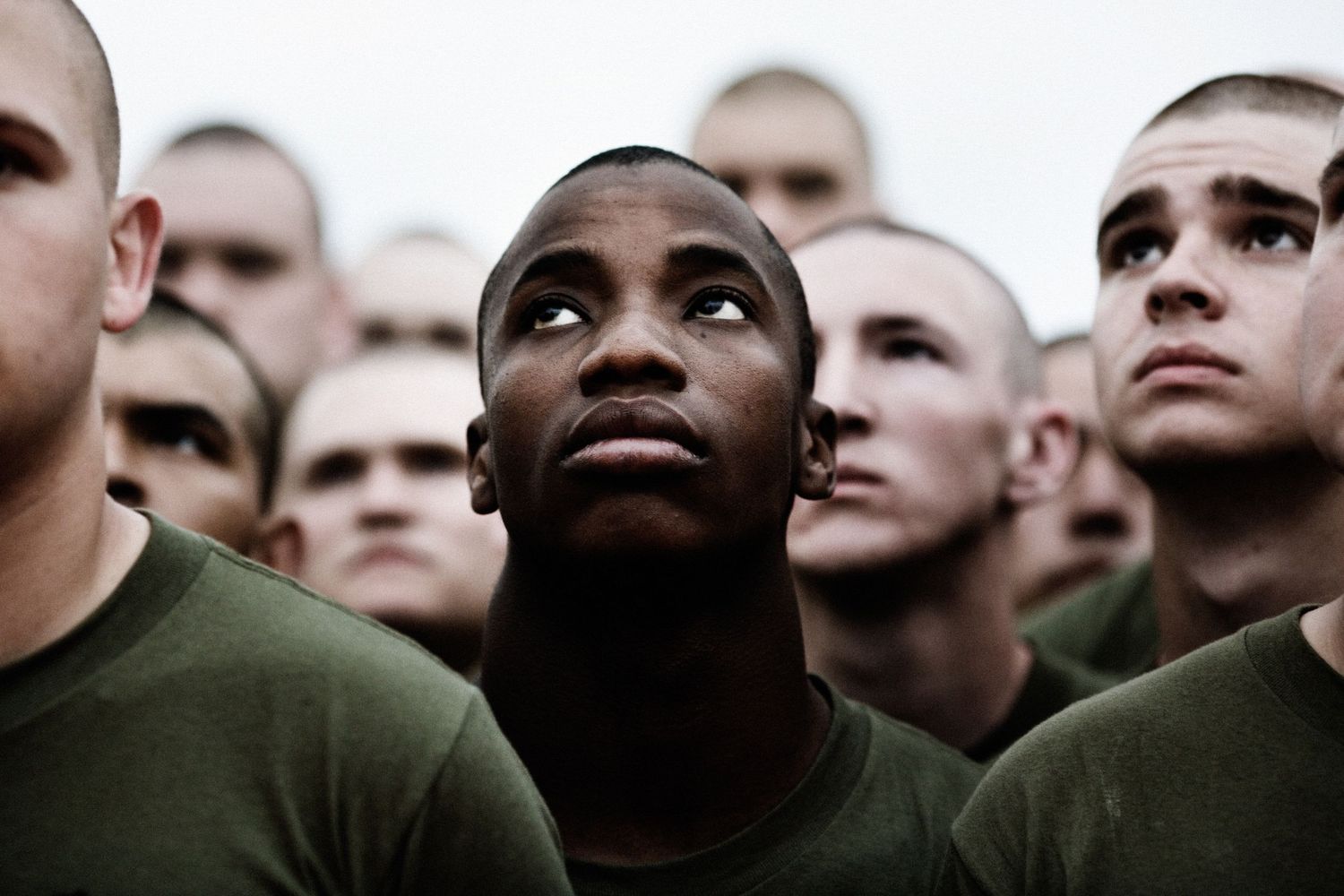
Marine Recruits direct gaze at Instructor before a Tough day ahead
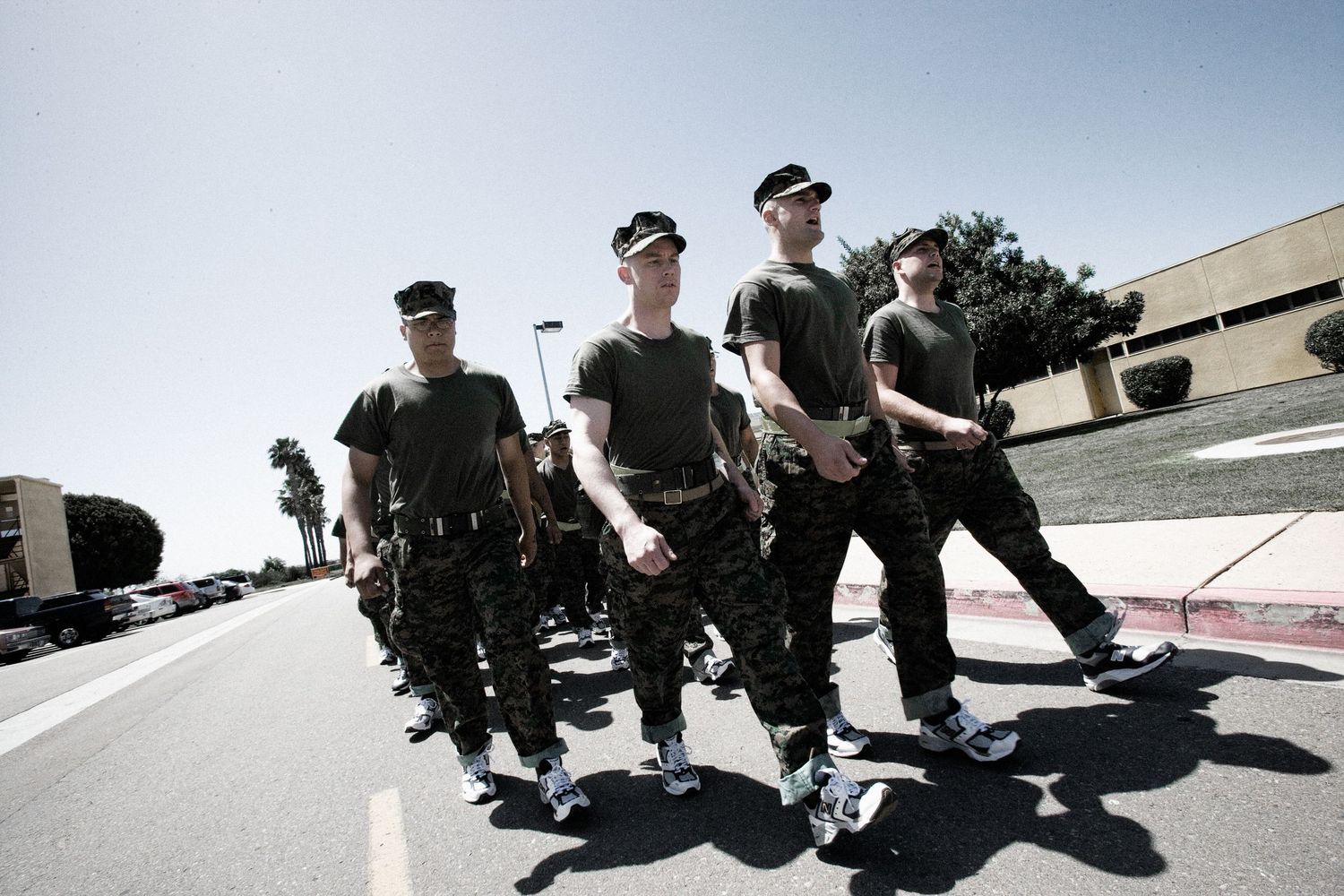
Recruits March @
Marine Corps Recruit Depot
San Diego (MCRD)
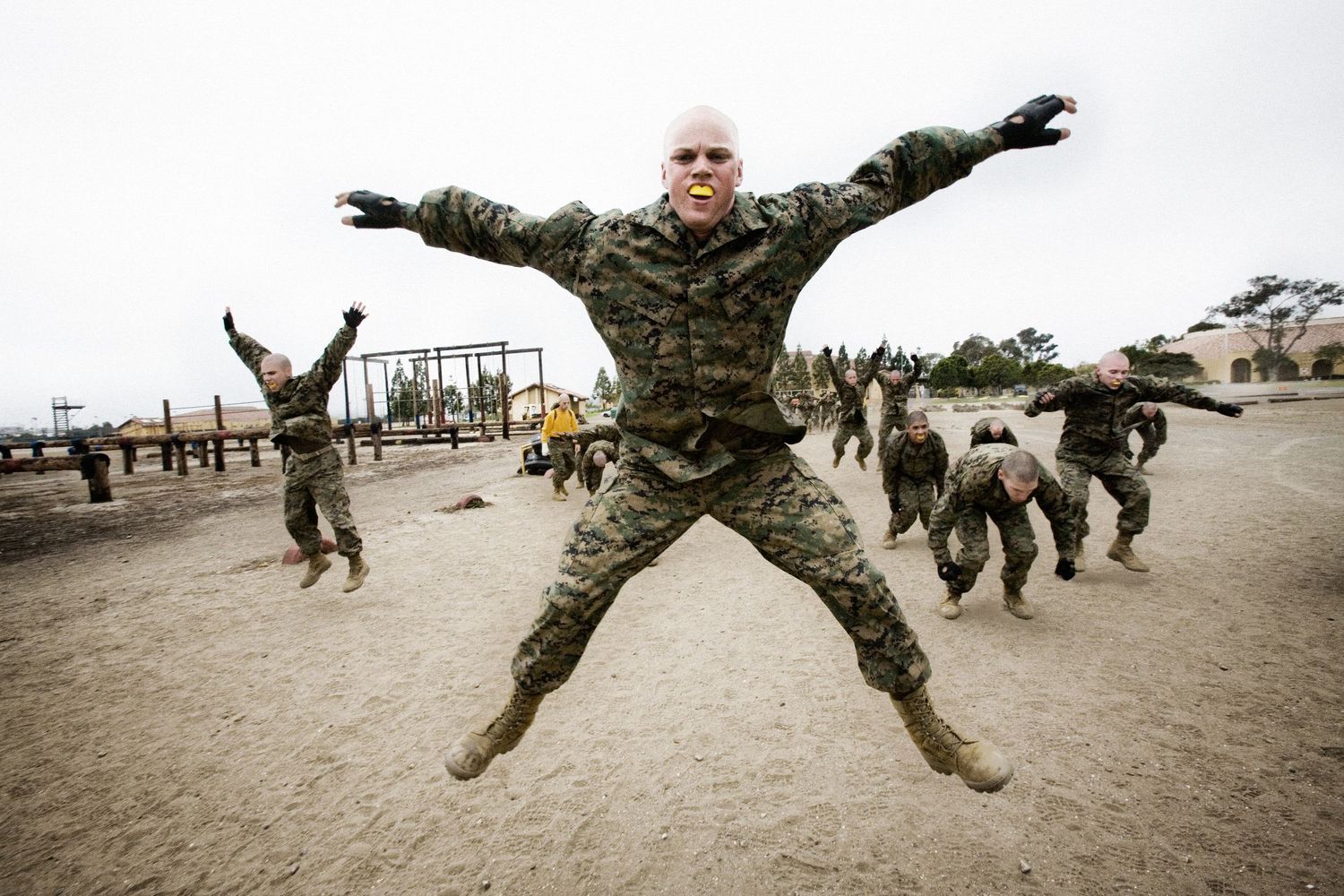
Recruits perform training exercises during 3rd Day of Bootcamp @ Marine Corps Recruit Depot San Diego (MCRD)
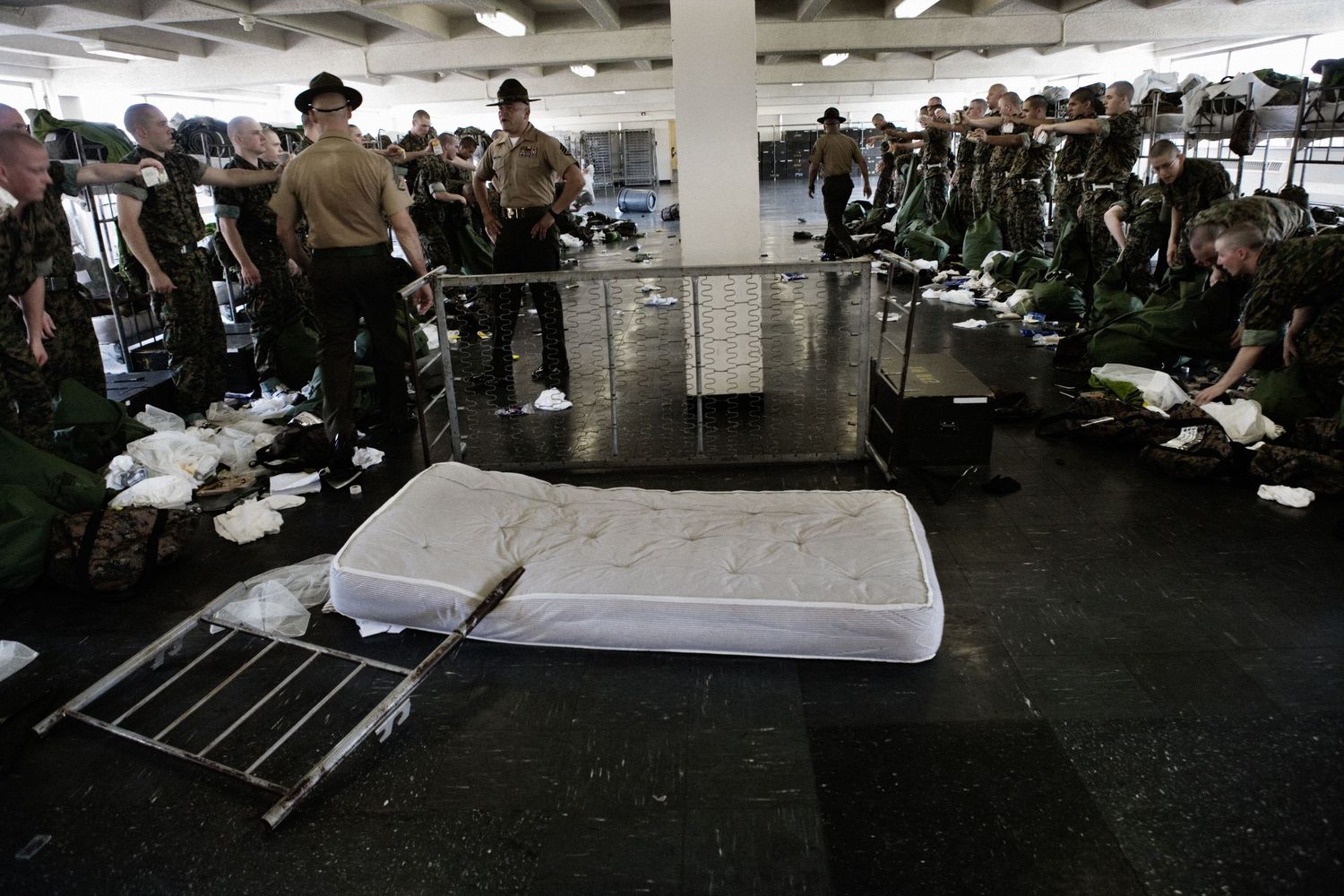
"Turning the House Over" during Marine boot camp is a slang term for when Drill Instructors (DIs) completely trash the recruits' living quarters (known as the squad bay) during an inspection. It is done to test a recruit's discipline, mental toughness, and ability to handle extreme pressure. This is an intense, high-stress event, but it is a rite of passage that every Marine recruit experiences.
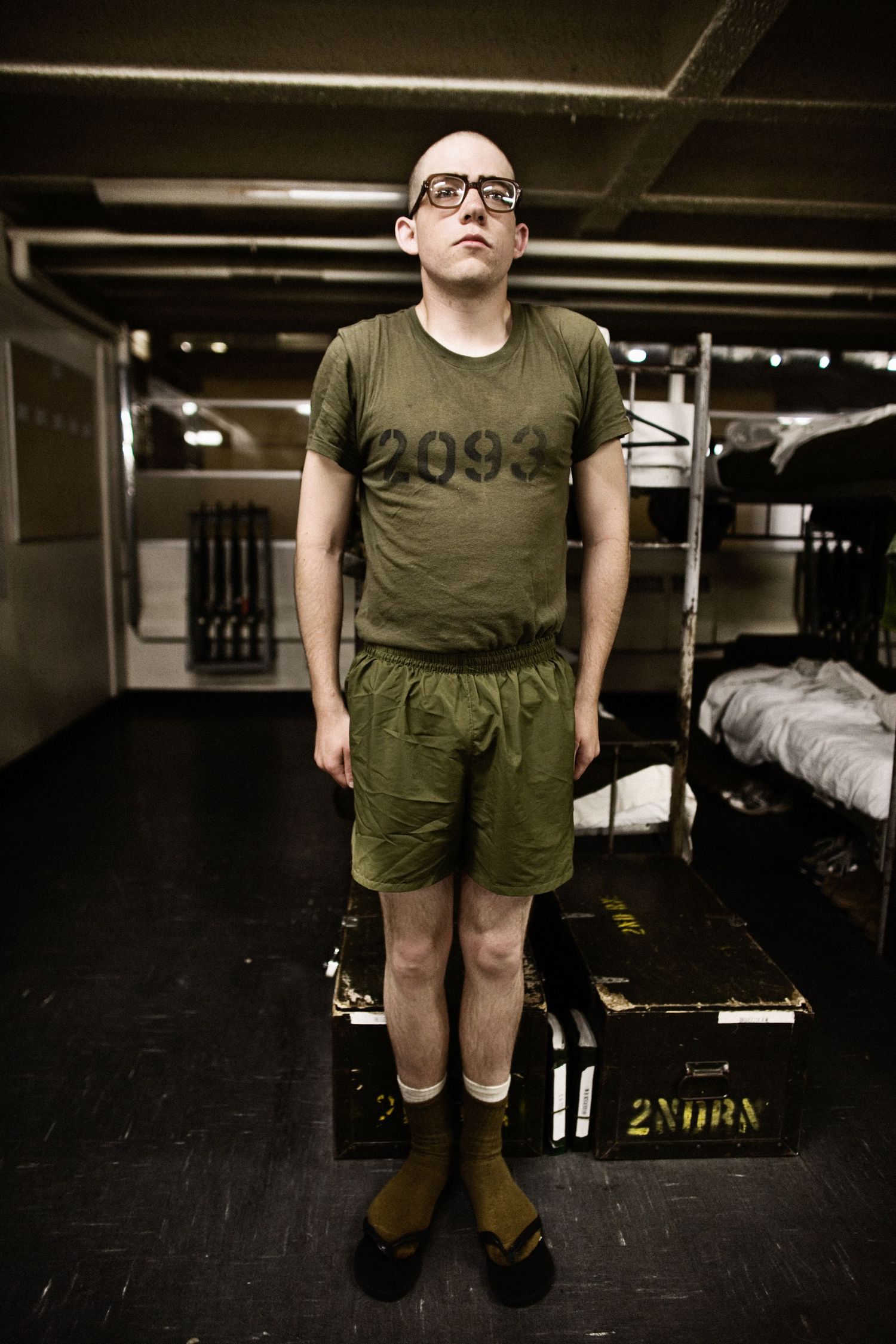
Recruit Standing Tall awaiting inspection
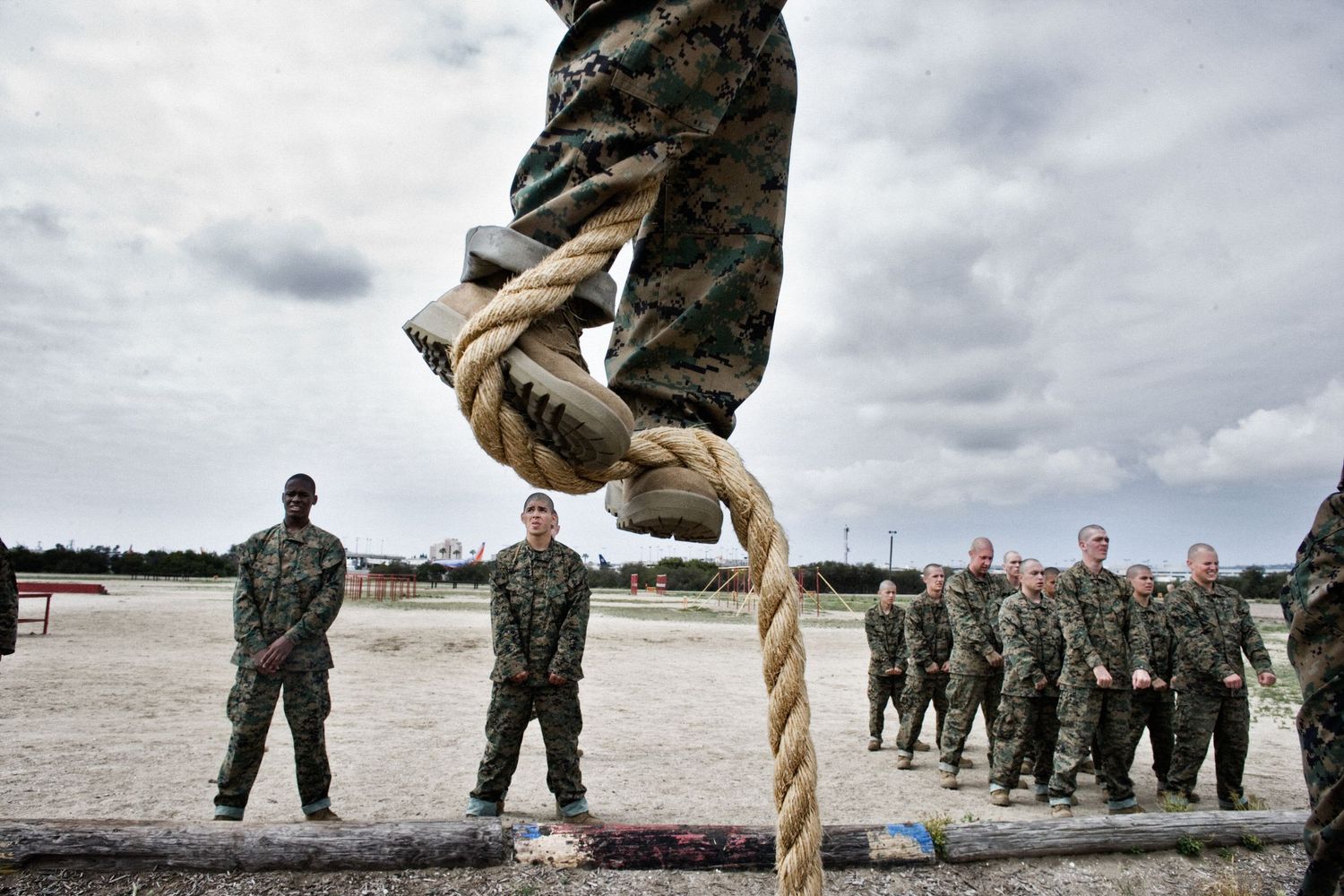
Recruits perform rope climbing exercises to build functional strength, grip, and mental toughness for military applications like obstacle courses and navigating difficult terrain. Proper technique, which uses the legs to reduce arm fatigue, is vital for safety and efficiency.
@ Marine Corps Recruit Depot San Diego (MCRD).
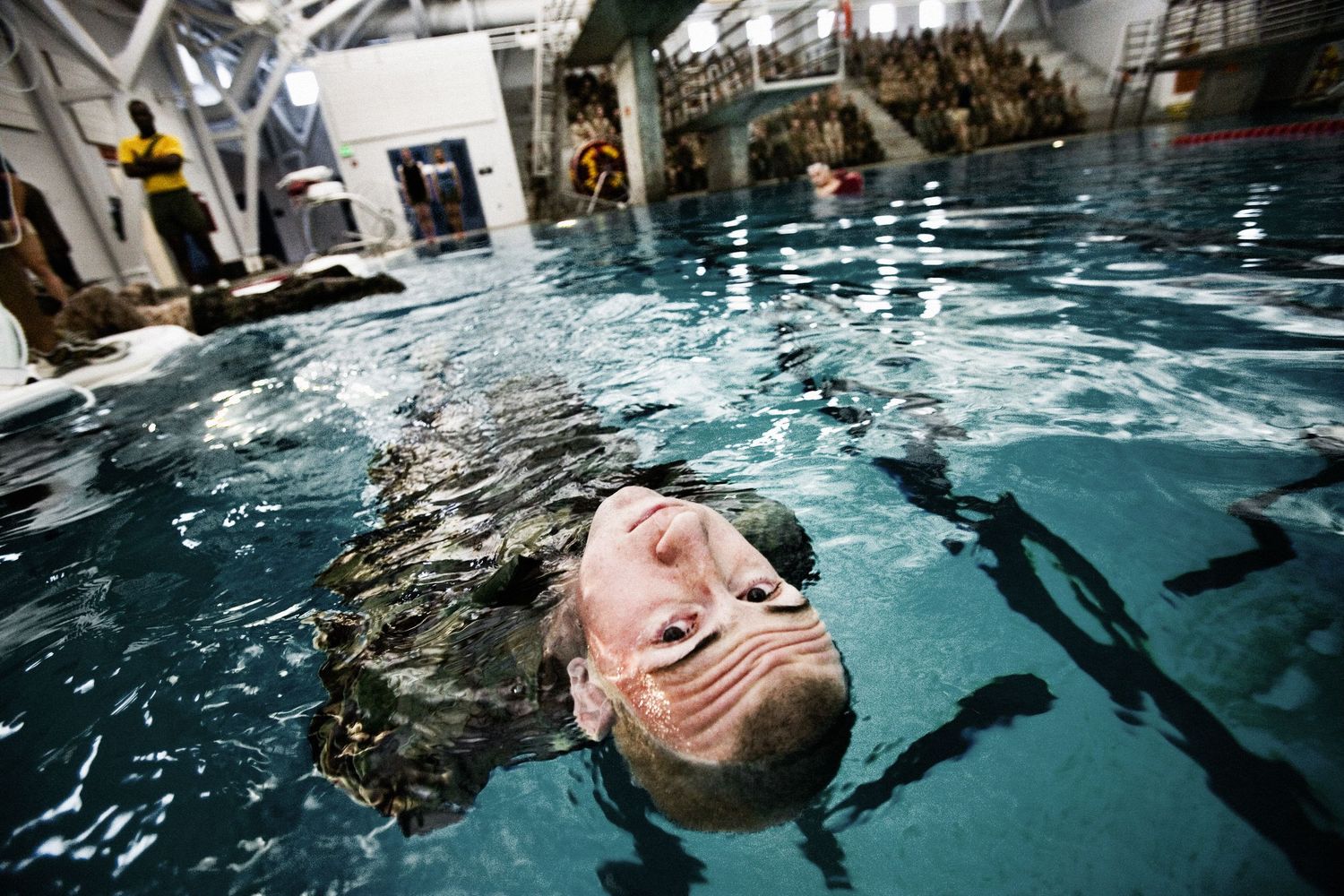
Marine Corps recruit performs water exercises, part of the Water Survival Training Program (MCWSTP), include a 25-meter swim, a tower jump, and a four-minute tread-water exercise, all while wearing full combat gear like a utility uniform, flak jacket, helmet, and boots. Recruits also perform a "gear shed" in shallow water, removing all their equipment while submerged, and a 25-meter self-rescue swim from a higher depth to demonstrate water confidence and survival skills essential for amphibious operations.
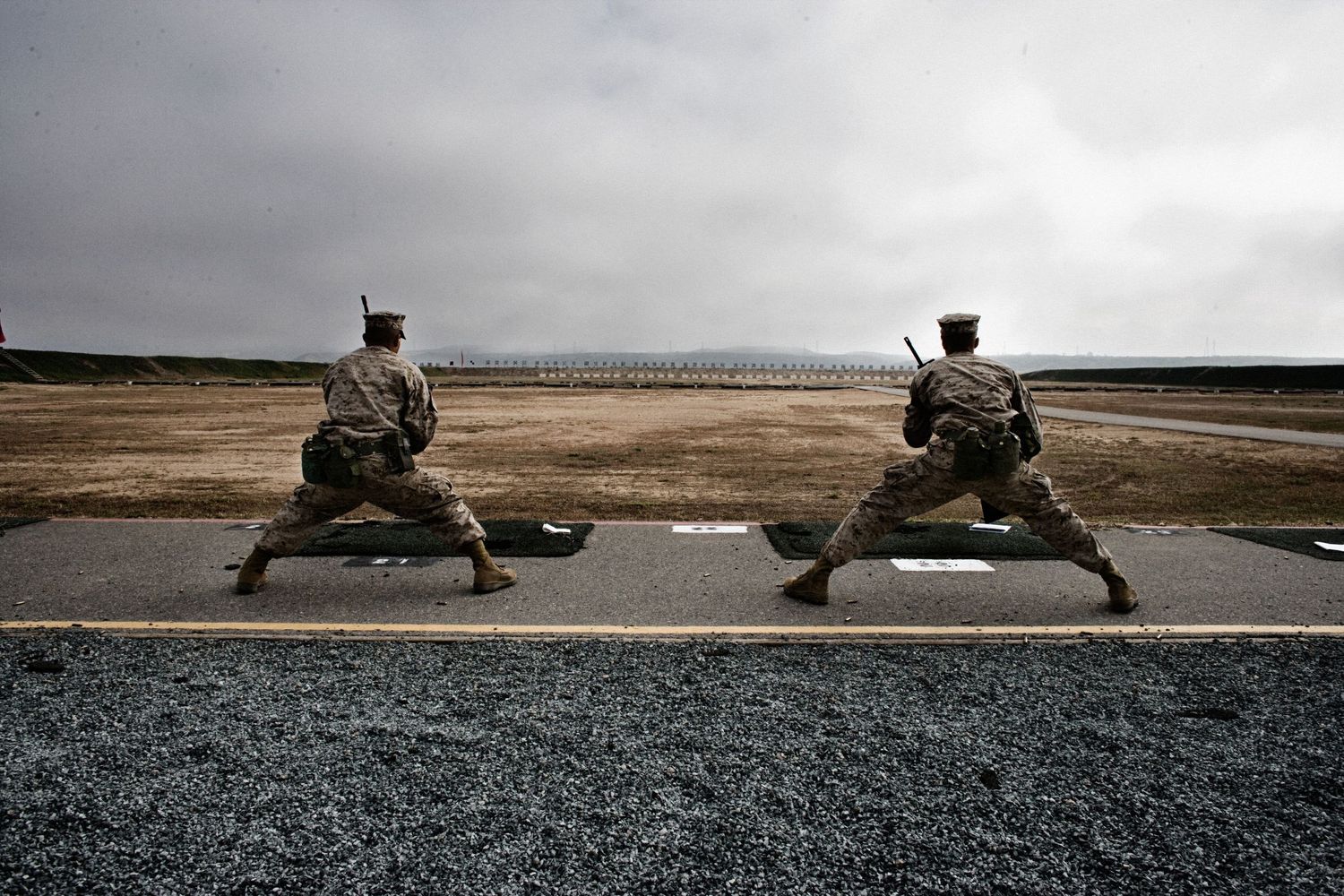
Marine Recruits train in Marksmanship at the "Zulu Range" at Marine Corps Base Camp Pendleton,
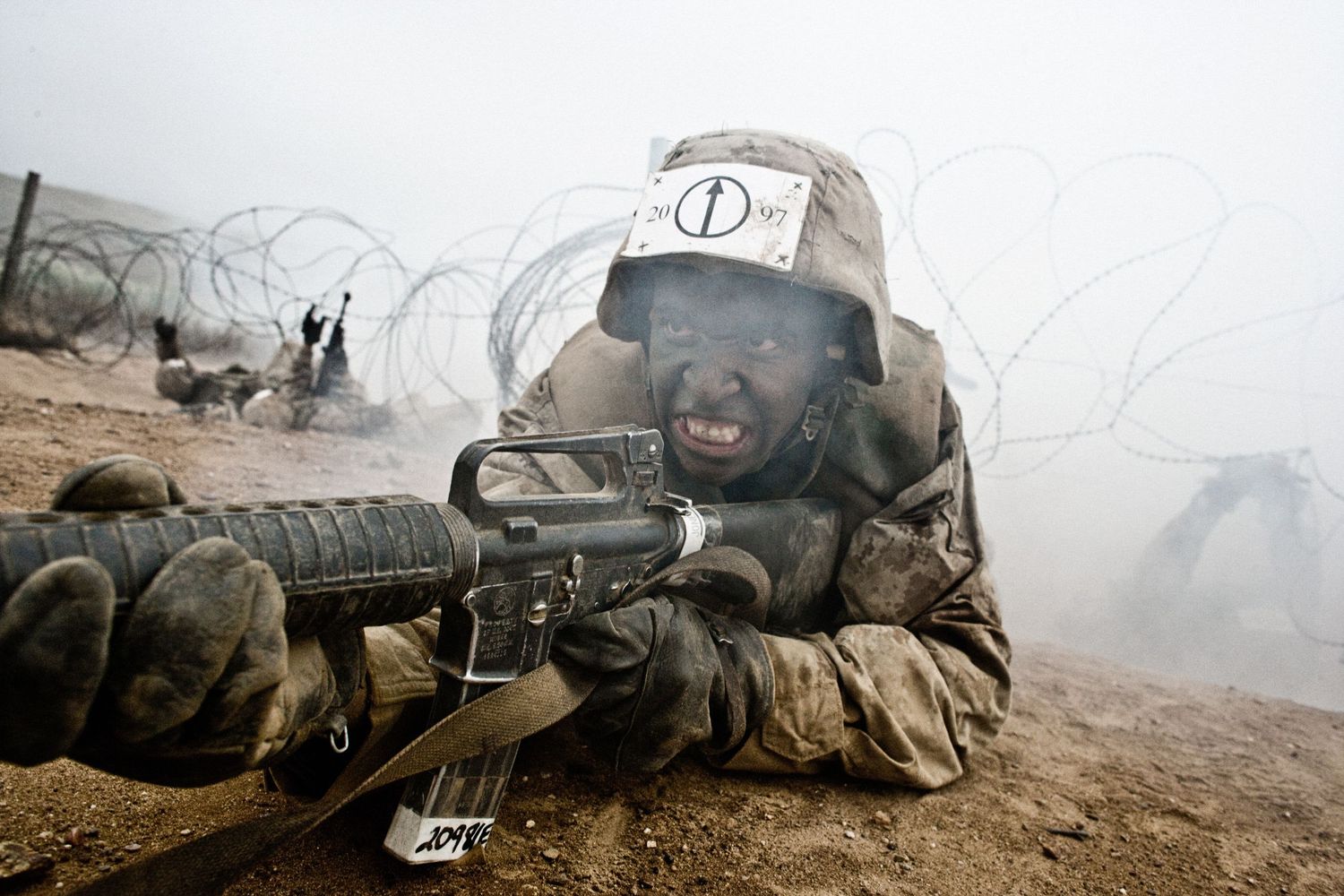
Marine Corps Recruit perfoms combat training part of the fourth-phase, a 13-week process where recruits learn discipline, teamwork, and combat skills to become a "fighting Marine". Training includes physical conditioning, marksmanship with the M16 rifle, combat water survival, academic instruction, and a final test called the Crucible. This process transforms recruits into Marines and culminates in an 18-mile hike and the awarding of the Eagle, Globe, and Anchor emblem.
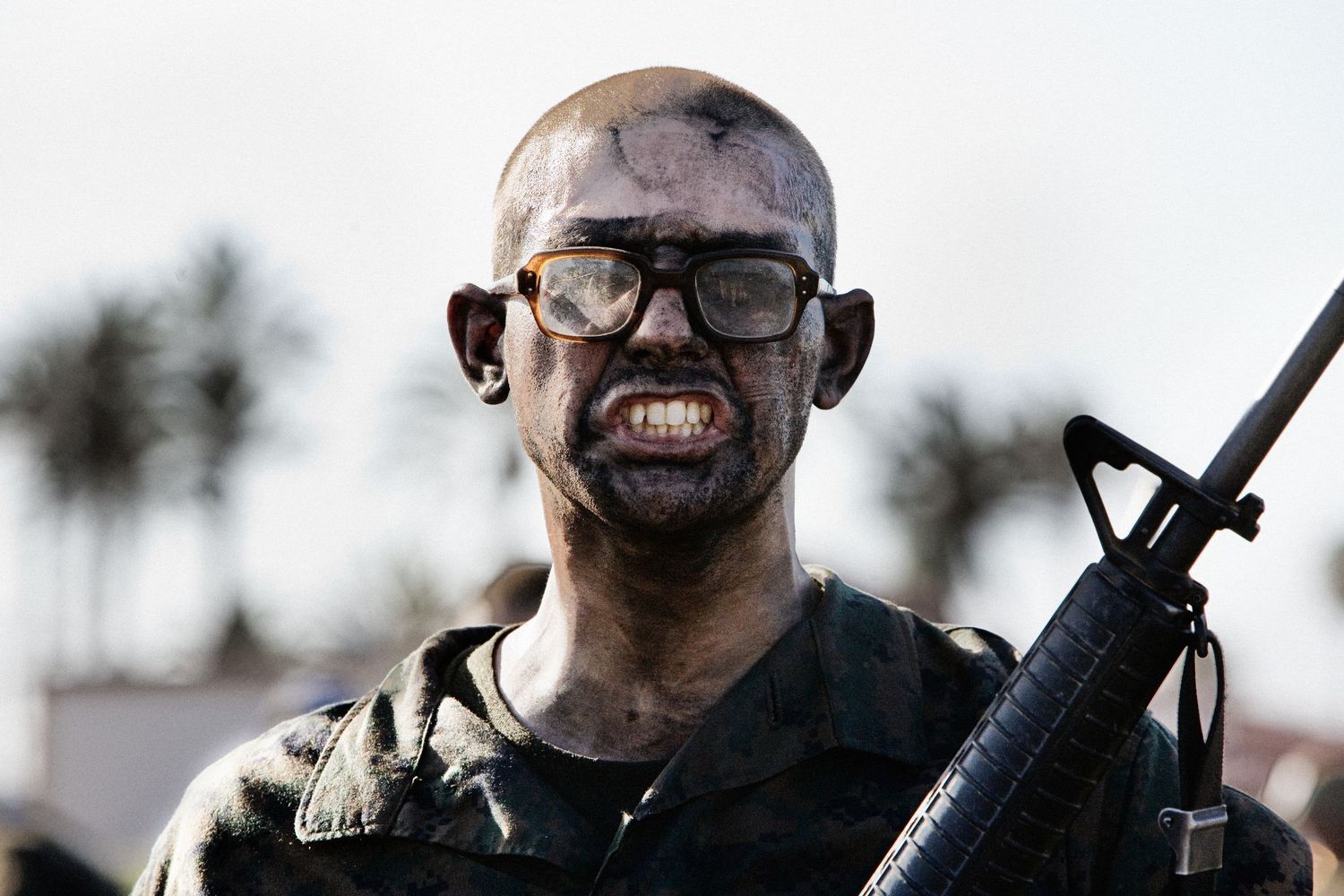
Marine Corps Recruit Holding an M16 Rifle during combat training
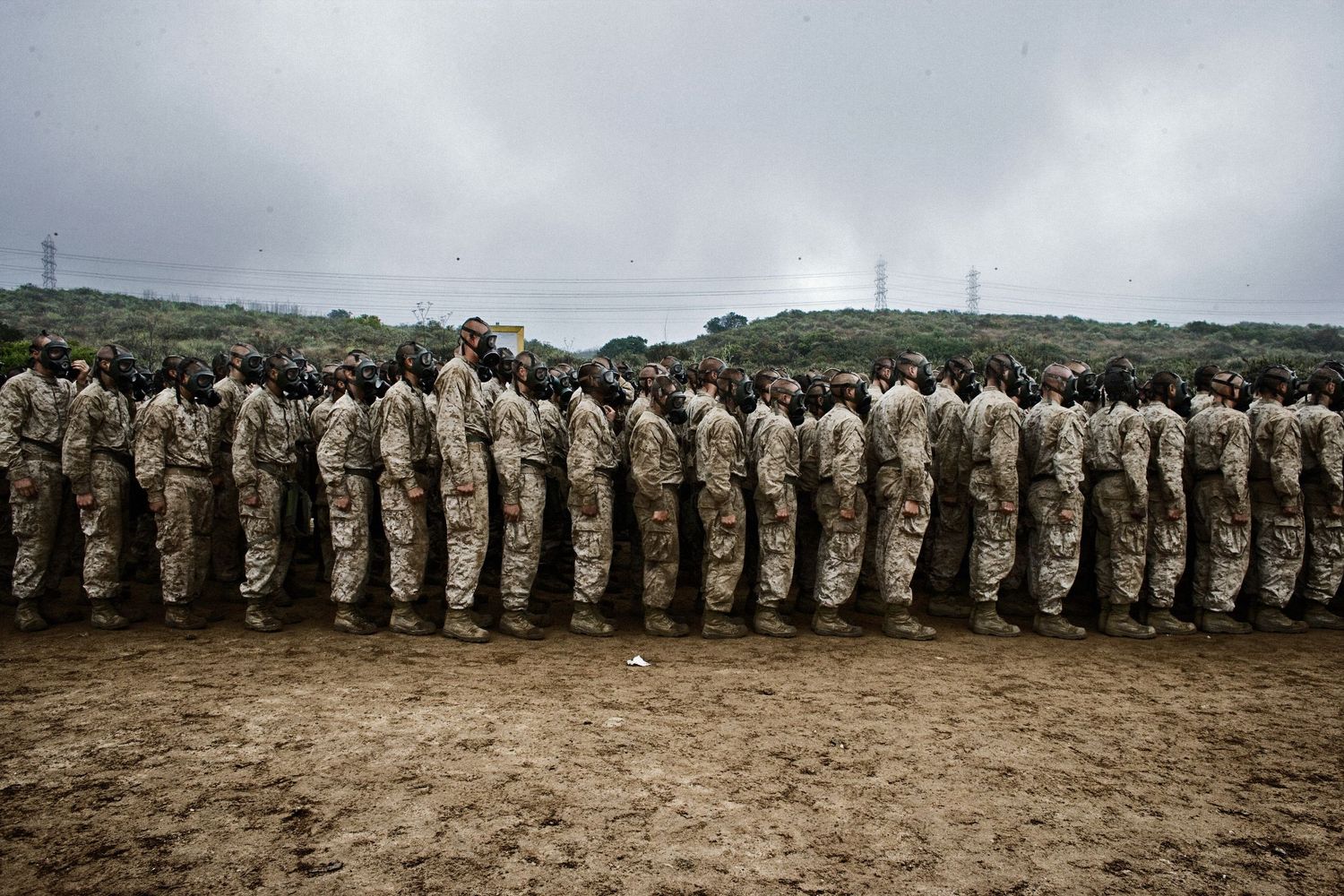
The Marine Corps Recruits getting ready to march into gas chamber, officially the Chemical, Biological, Radiological, Nuclear (CBRN) confidence chamber, which exposes recruits to non-lethal CS gas (tear gas) to teach them how to properly use and trust their M50 gas masks. Recruits, after receiving instruction on mask fitting, perform exercises inside the chamber while wearing their masks, then practice breaking and resealing the mask seal. They then exit the chamber and remove their masks, a process that builds confidence in their equipment and themselves in a simulated toxic environment, preparing them for potential real-world CBRN hazards.
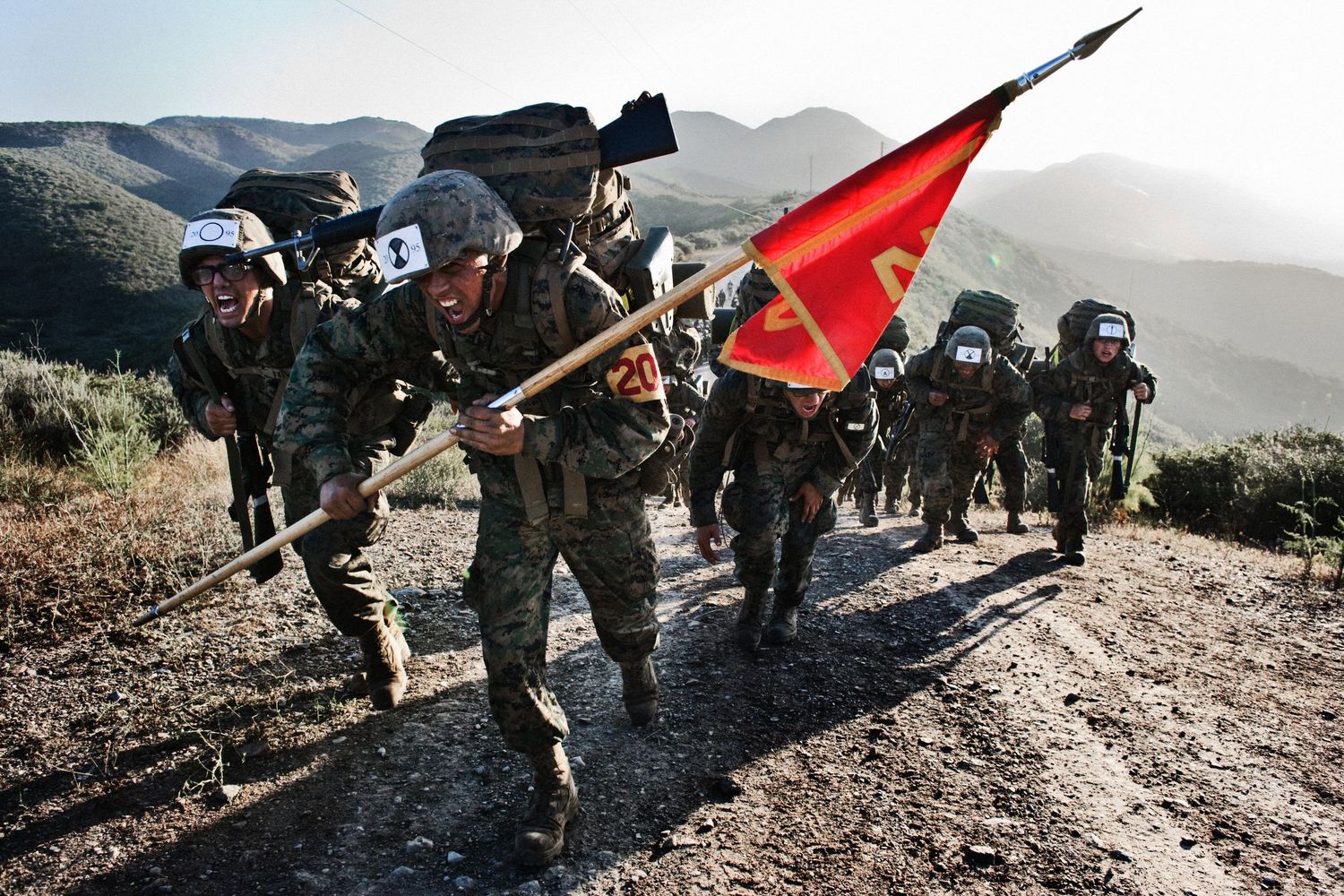
Recruits march the 18-mile hike part of the Crucible
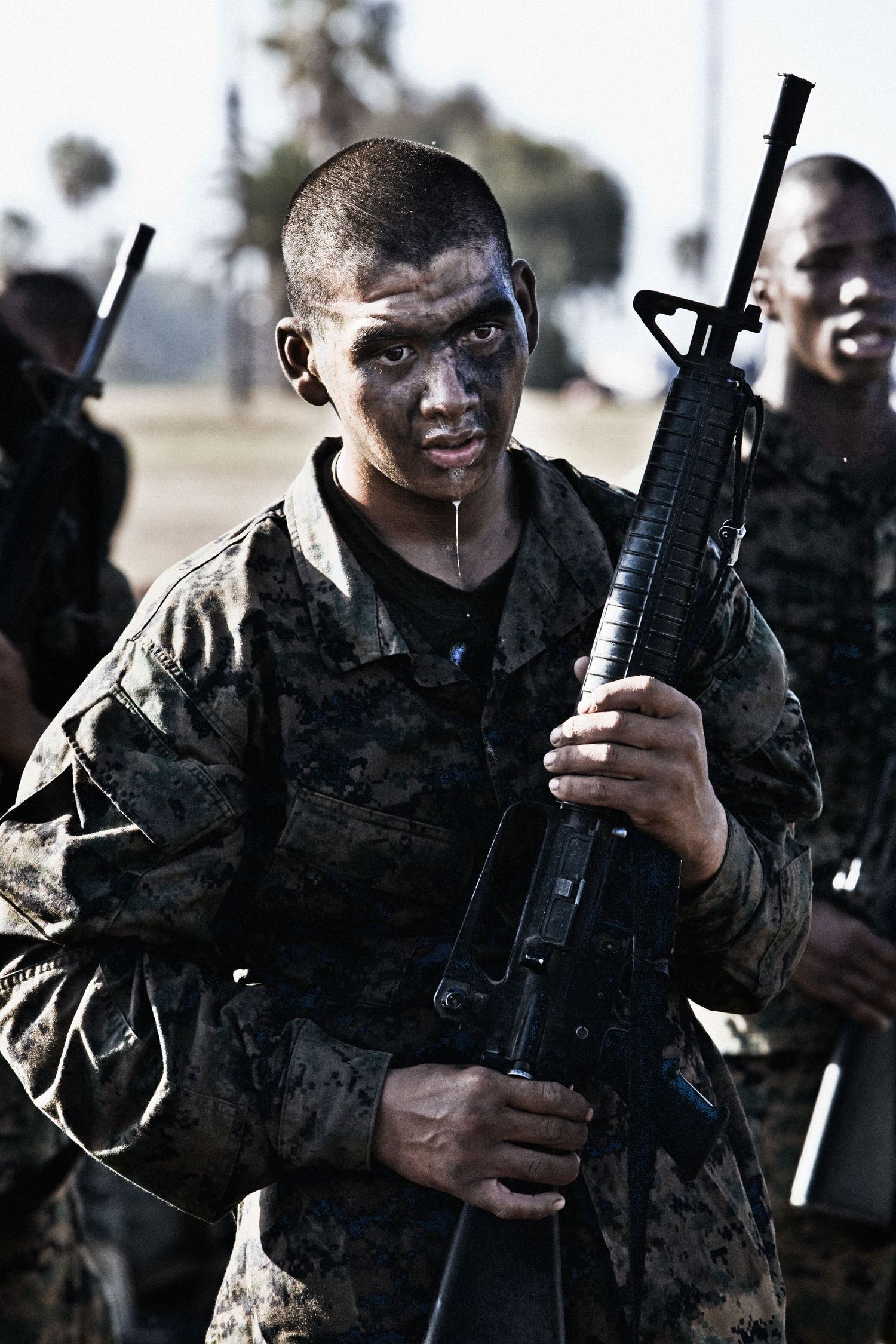
Recruit exhausted after combat training
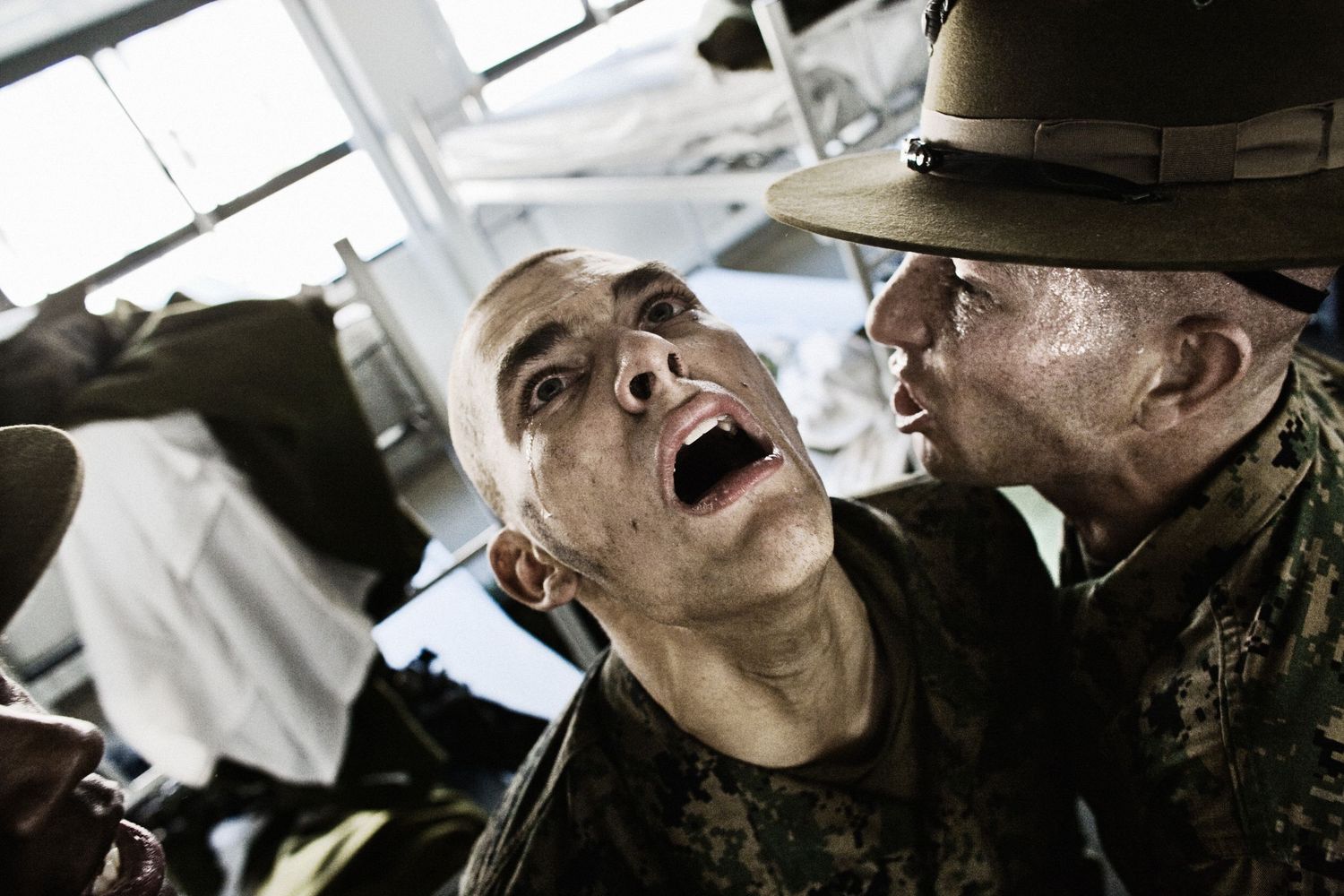
Recruit being broken by Drill Seargent. Designed to strip away civilian habits and build the mental toughness and resilience required for military service. Drill sergeants use intense, controlled stress to achieve this transformation.

Recruit crawling under barbwire during combat training
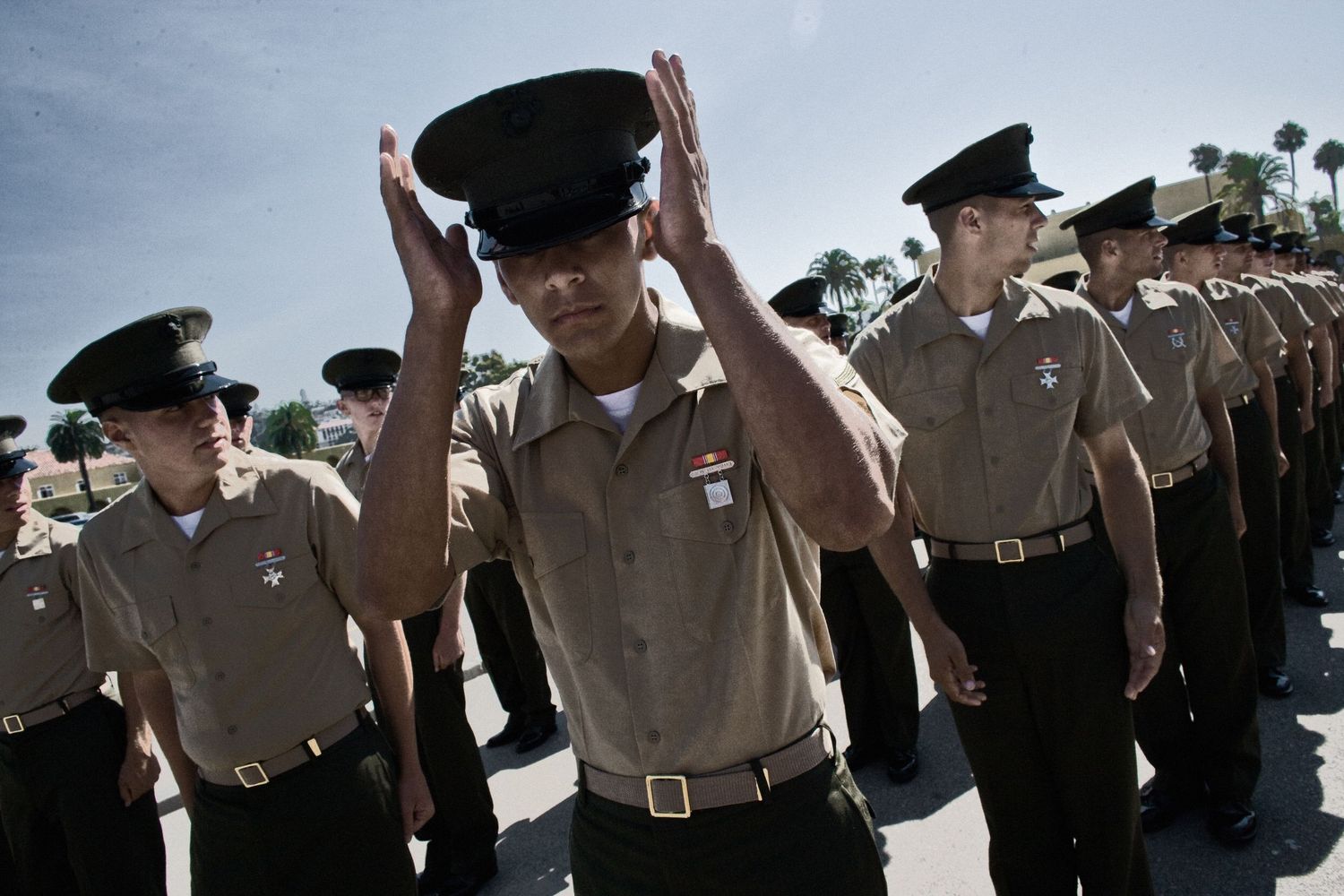
Recruits graduate to become United States Marines by successfully completing a rigorous 13-week recruit training program at a Marine Corps Recruit Depot (MCRD)
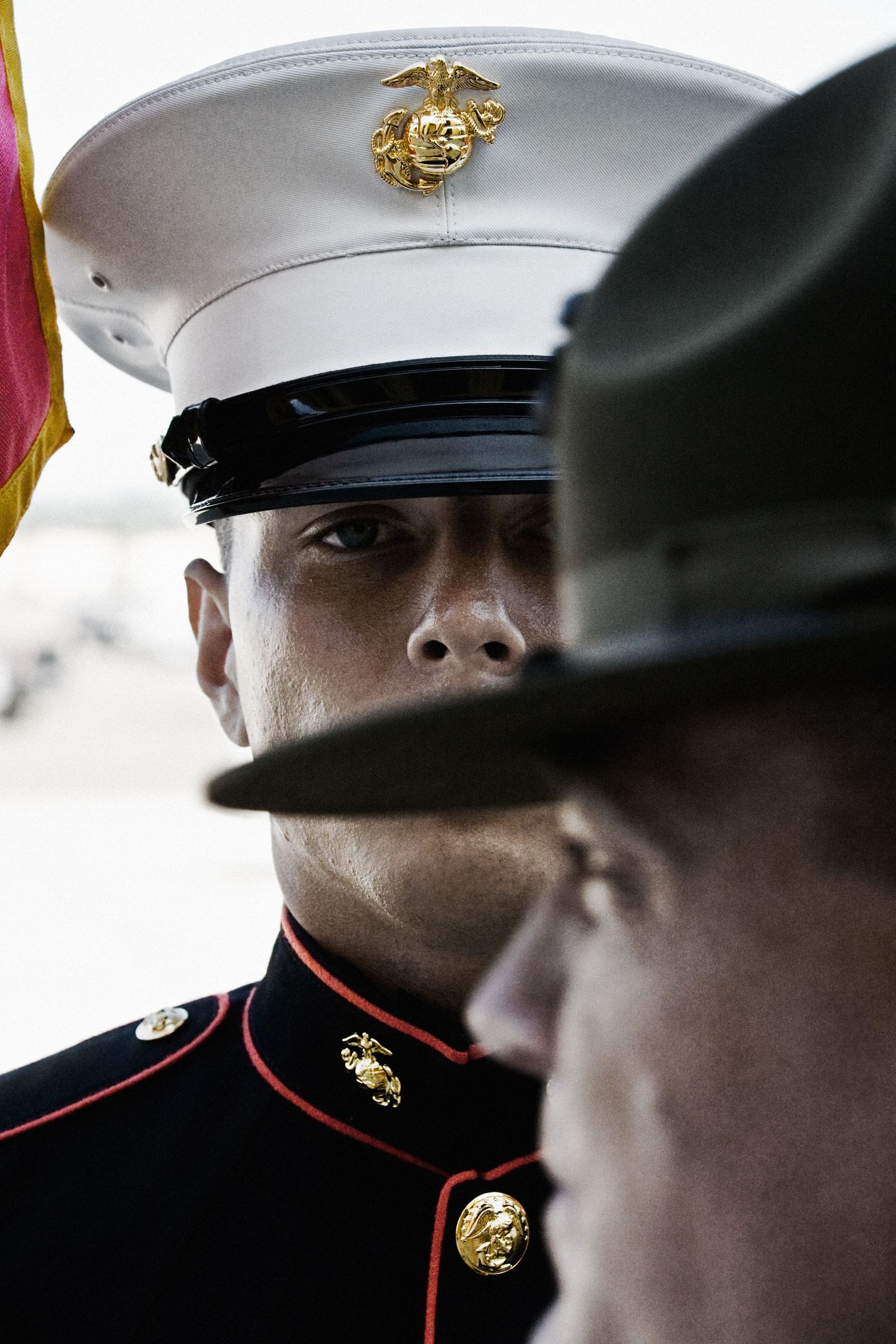
Marine Corps Officer and Drill Instructor observe graduation ceremony
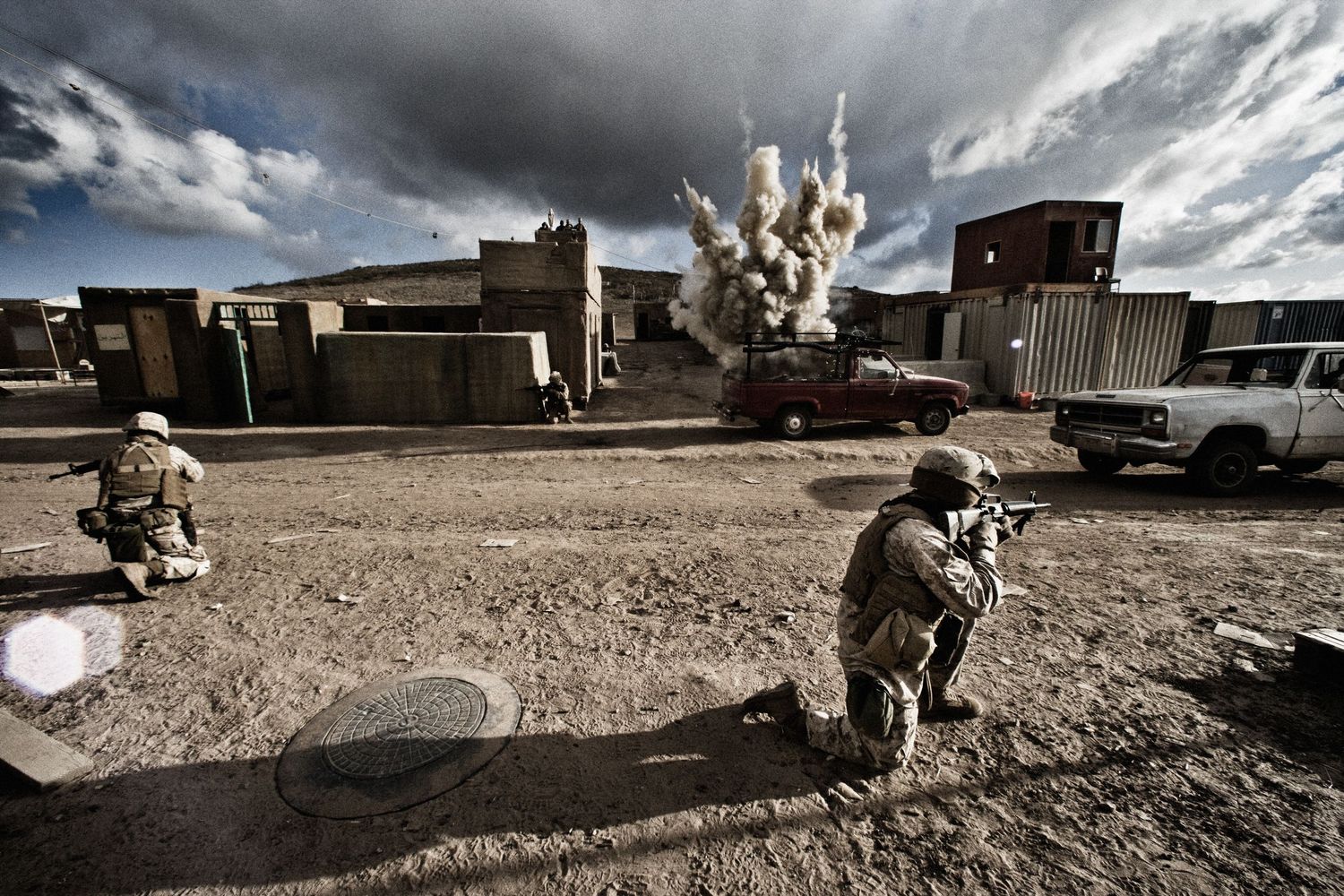
No Longer Recruits but now Marines are now part of Pre-deployment training which is comprehensive, mission-oriented program that prepares Marines and their families for deployment through a "crawl, walk, run" approach, focusing on individual, small-unit, and large-unit tactics. It encompasses a wide range of exercises and skills, including amphibious operations, humanitarian assistance, noncombatant evacuation operations, and urban operations, culminating in large-scale exercises like COMPTUEX and PMINT. Training is standardized, progressive, and includes continuous assessments, with the goal of developing a fully integrated, flexible, and powerful force ready for various operational environments.
Get in Touch
Let's craft memories that last a lifetime