Rock & Roll
In 1979, while attending school in Albany, New York, I heard that a new music club, J.B. Scott's, was opening. My mind immediately went to work on the question: How could I see as many shows as possible? Since I had no money, I had to come up with an angle. So I approached the club owners with a proposition: I and my good friend Steve Fink would be exclusive house photographers for Scott's and give the owners photographs of all the performers-at no charge. That is how I came to photograph rock and roll; within 15 months, I had taken nearly 3,000 pictures of well over 300 bands. Many were used in local newspapers and one found its way into The Pretenders' 1983 world tour guide.
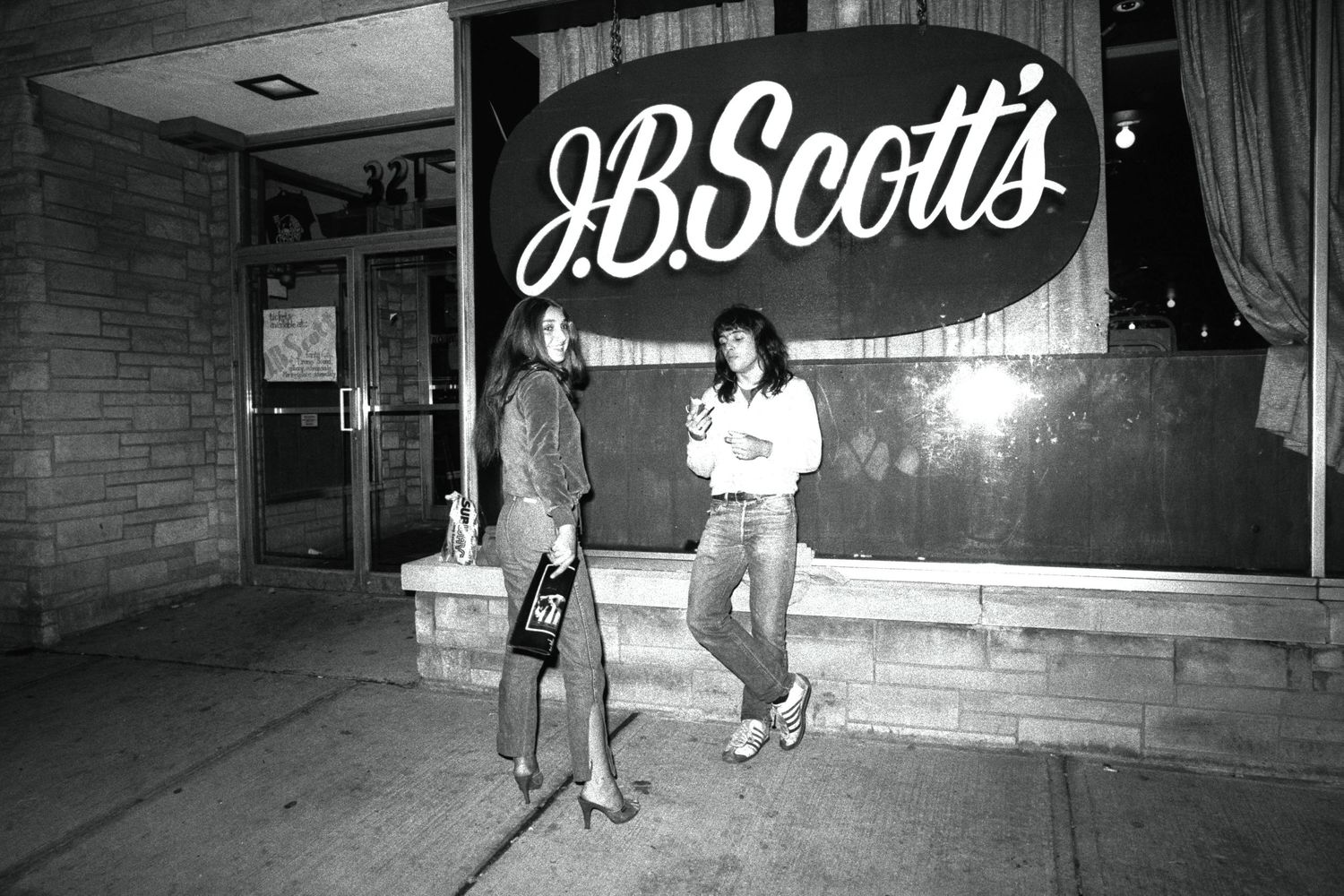
J.B. Scott's Albany, NY
J.B. Scott's was a popular nightclub and music venue located on Central Avenue in Albany, New York, with a capacity of approximately 600 people. It opened in 1979 and operated until 1982, when a fire forced its closure. The individuals responsible for setting the fire were apprehended a year later.
Although it was only open for a few years, J.B. Scott's played a significant role in shaping the Capital District’s music scene. The venue hosted a wide range of renowned artists, including U2, John Mellencamp, Stevie Ray Vaughan, Bryan Adams, Judas Priest, Thin Lizzy, Pat Benatar, Meat Loaf, Iggy Pop, the Go-Go’s, Count Basie, and Buddy Rich.
In 1985, the club’s original owners, Douglas Jacobs and Vinnie Birbiglia, opened a new venue in Albany called JB's Theatre, continuing their contribution to the local music culture.
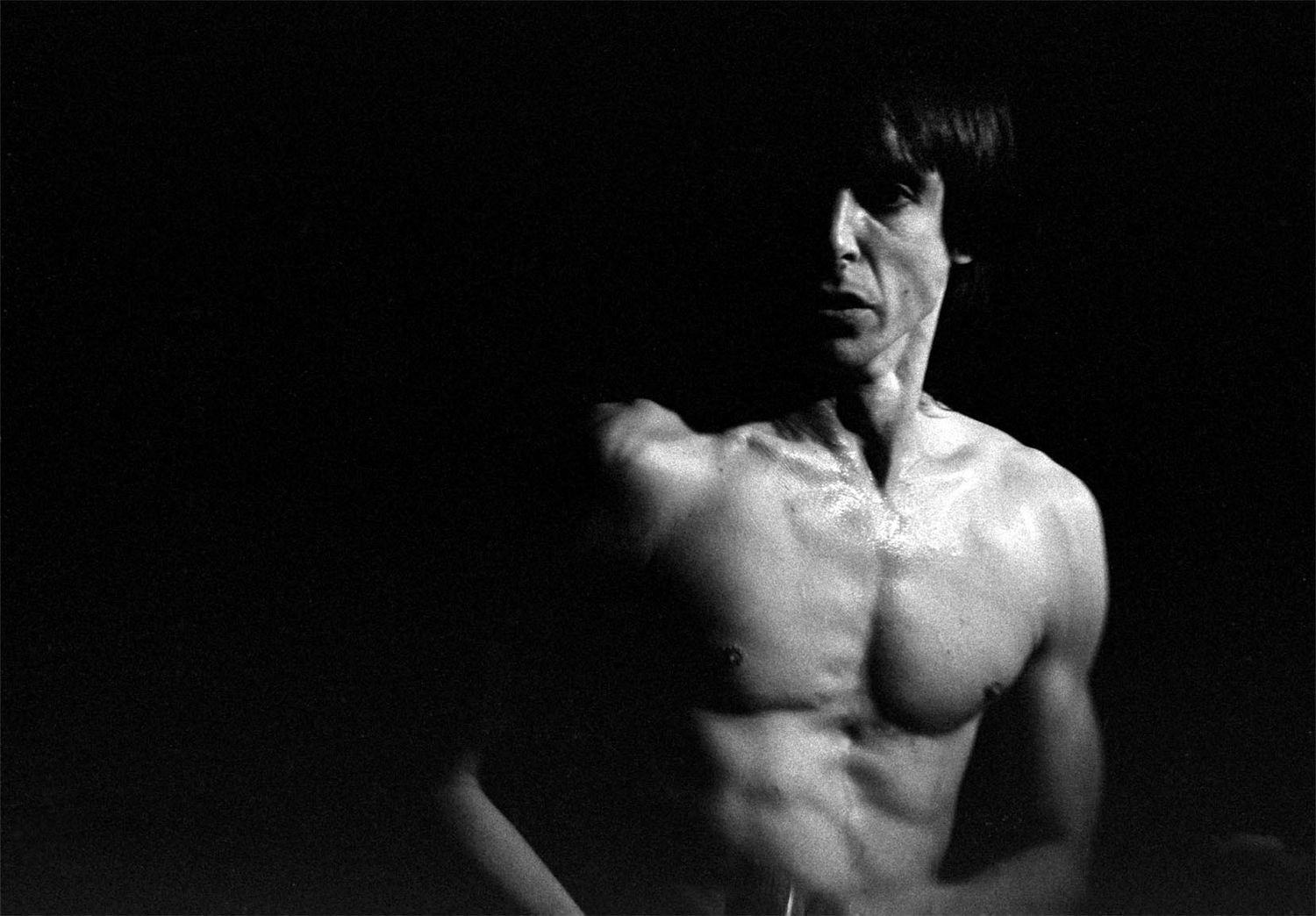
Iggy Pop
Iggy Pop (born James Newell Osterberg Jr., April 21, 1947) is an American singer, songwriter, and performer, widely known as the "Godfather of Punk." He was the lead vocalist and lyricist for the influential proto-punk band the Stooges, formed in 1967.
Famous for his wild stage antics and distinctive voice, he was named one of NPR’s "50 Great Voices" and inducted into the Rock and Roll Hall of Fame with the Stooges in 2010. In 2020, he received a Grammy Lifetime Achievement Award for his solo career.
In 1990, he recorded his only Top 40 U.S. hit, "Candy", a duet with the B-52s' singer Kate Pierson.
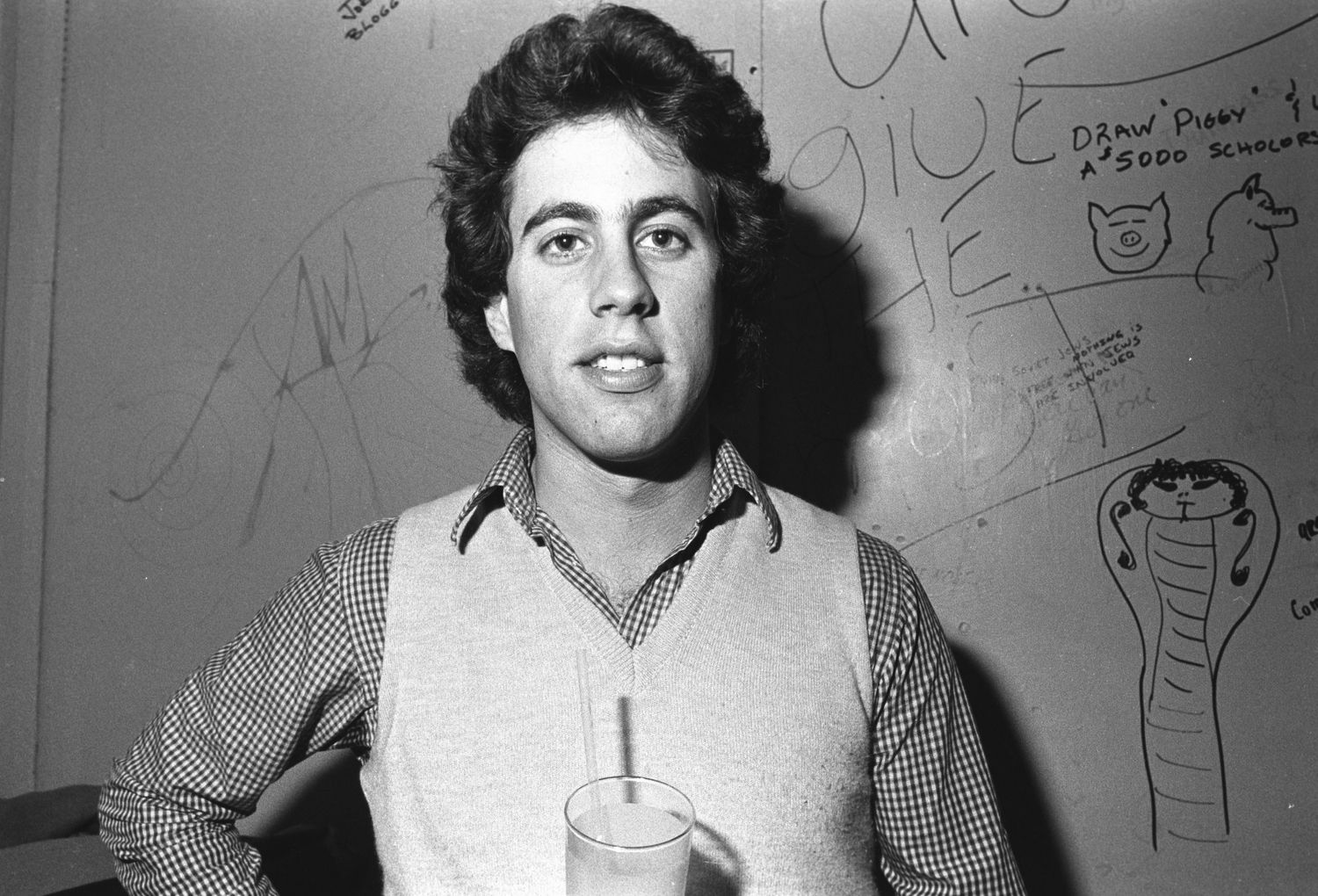
Jerry Seinfeld
Jerry Seinfeld (born April 29, 1954) is an American comedian, actor, and writer best known for co-creating and starring in the iconic sitcom Seinfeld (1989–1998). A master of observational comedy, he won a Golden Globe in 1995. He later hosted the web series Comedians in Cars Getting Coffee, and co-created the films Bee Movie (2007) and Unfrosted (2024).
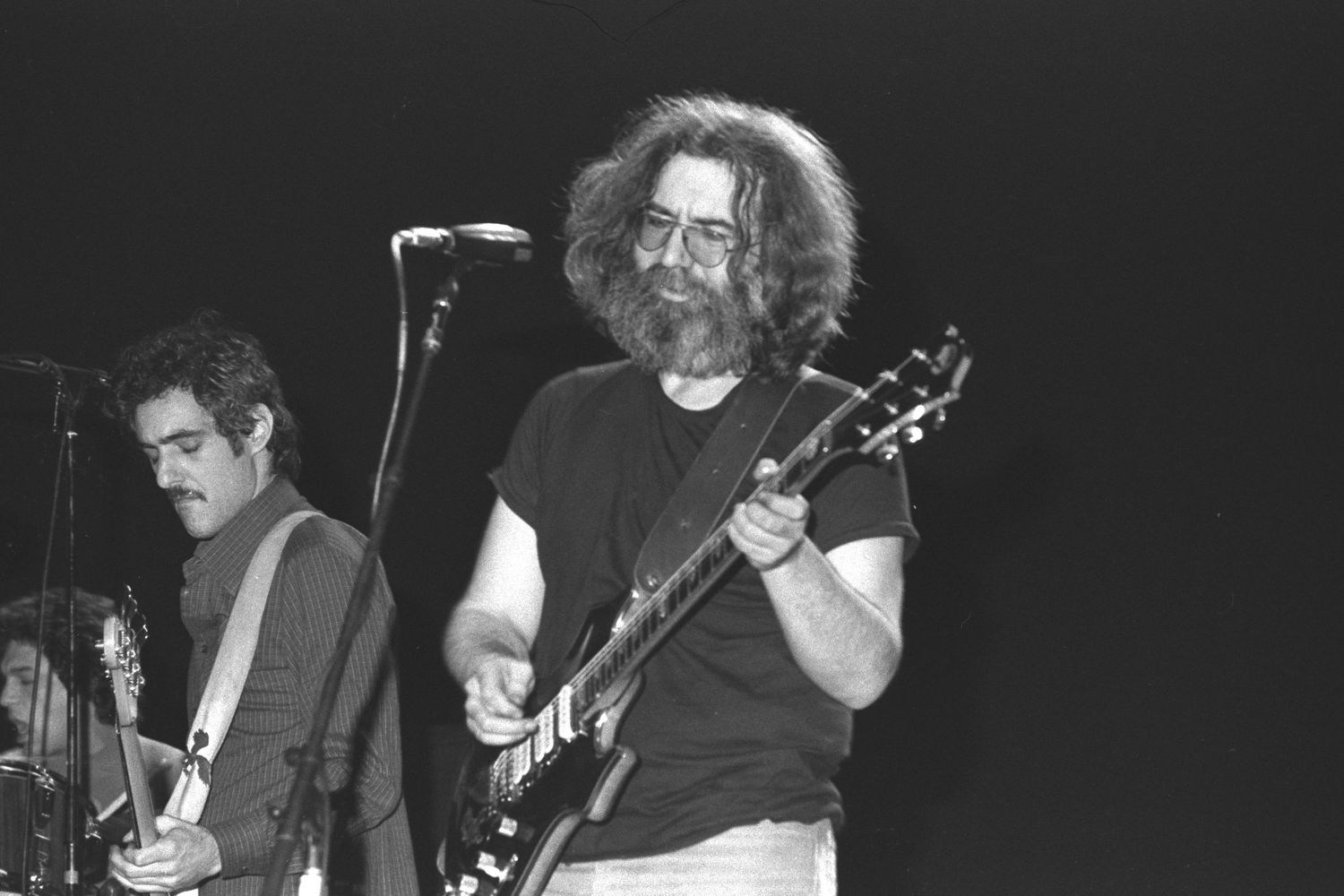
Jerry Garcia
AND
JOHN KAHN
Jerry Garcia (1942–1995) was the soulful lead guitarist and vocalist of the Grateful Dead, a band he co-founded and helped define during the 1960s counterculture. Known for his improvisational style and deep connection with fans, he was inducted into the Rock and Roll Hall of Fame in 1994.
John Kahn (June 13, 1947 – May 30, 1996) was an American bassist, arranger, and producer, best known for his long-running collaboration with Jerry Garcia outside of the Grateful Dead. From 1970 until Garcia's death in 1995, Kahn played a central role in many of Garcia’s side projects, including the Jerry Garcia Band, Legion of Mary, and Old & In the Way. His versatile playing and deep musical connection with Garcia made him a key figure in shaping the sound of Garcia’s solo work across genres like rock, blues, jazz, and folk.
“Touch Of Grey” from 'In The Dark' (1987) The Grateful Dead's biggest (and really only) pop hit, it reached #9 on the singles charts.
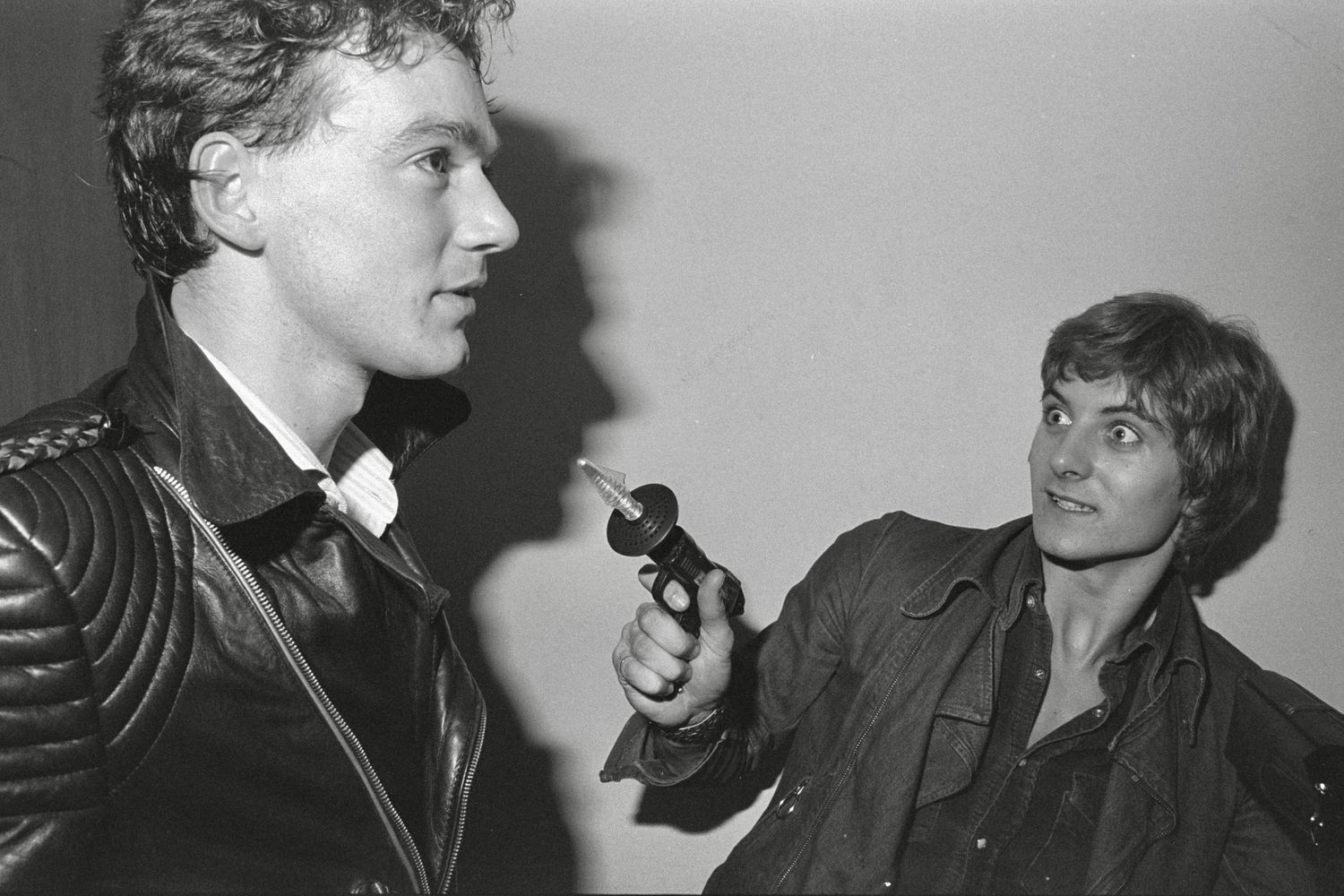
BRUCE WOOLLEY
Thomas Dolby
AND
THE CAMERA CLUB
Bruce Woolley (born 11 November 1953) is an English musician, singer, songwriter, and record producer. He is best known for co-writing the influential tracks
“Video Killed the Radio Star” and “Slave to the Rhythm”, in collaboration with artists such as the Buggles and Grace Jones. Woolley is also the co-founder of the Radio Science Orchestra, an ensemble known for its innovative blend of electronic and orchestral music.
In 1979, Bruce Woolley formed the new wave band The Camera Club, featuring Thomas Dolby and others. They released their only album, English Garden, and toured the UK and North America. After Dolby left in 1982, the band dissolved in 1983 due to disagreements with CBS Records, which delayed their second album until its release in October 2024.
Thomas Morgan Robertson (born October 14, 1958), known as Thomas Dolby, is an English musician, producer, entrepreneur, and educator. He gained fame in the 1980s with hits like "She Blinded Me with Science" and "Hyperactive!",,becoming a key figure in synth-pop and new wave music.
In the 1990s, Dolby founded Beatnik, a software company that developed audio technology used in internet streaming and Nokia ringtones. Beyond his tech ventures, he has also served as music director for the TED Conferences. Since 2014, Dolby has been a faculty member at the Peabody Institute of Johns Hopkins University, where he leads the Music for New Media program, bridging the worlds of music and technology.
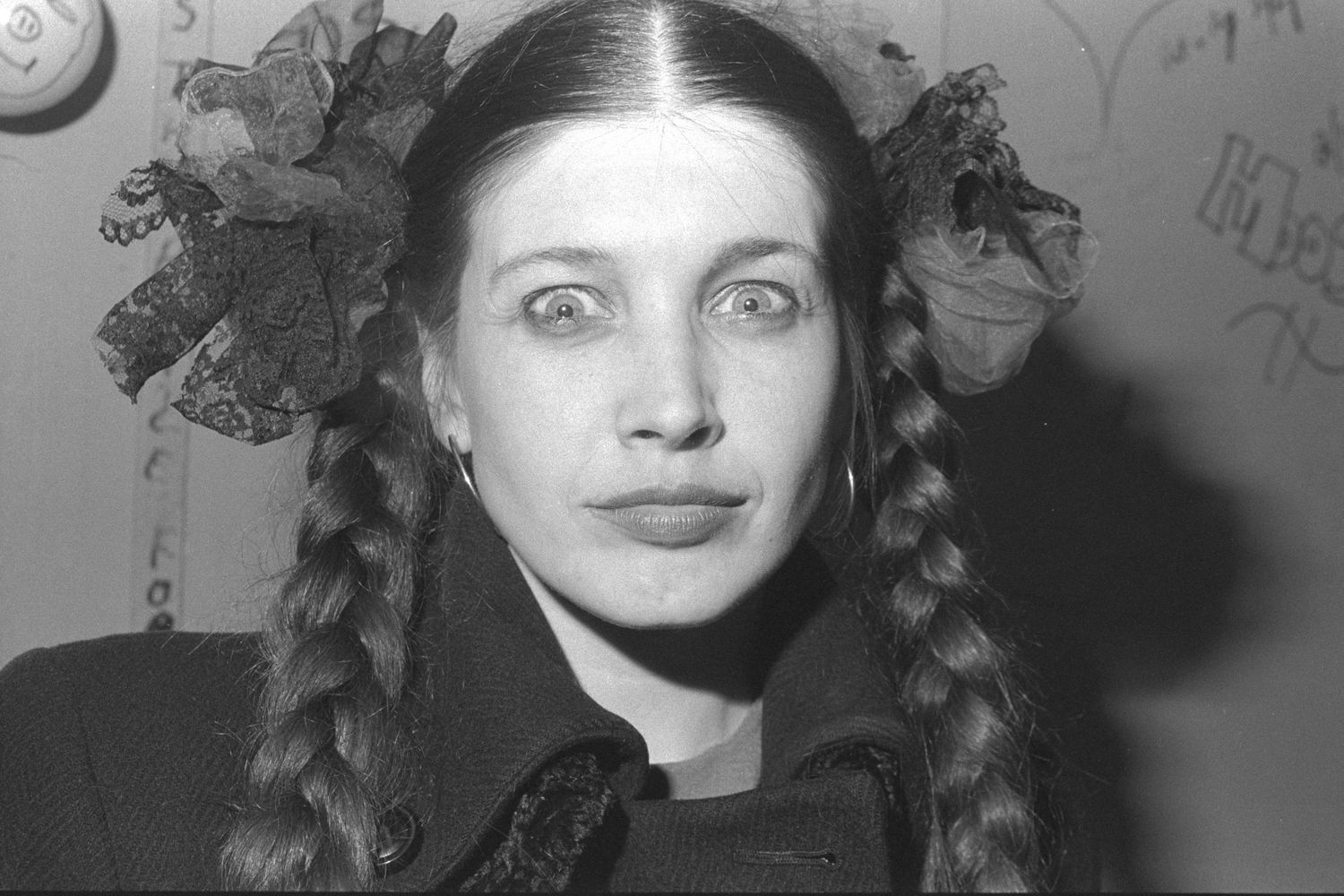
Lene Lovich
Lili-Marlene Premilovich, better known as Lene Lovich (pronounced LAY-nə LUV-itch), is an American-British singer who got famous in 1979 with her hit “Lucky Number” The song climbed to number 3 on the UK charts and made her a key player in the new wave music scene. She’s also known for her wild hairstyles, quirky outfits, and fun, offbeat personality on stage.
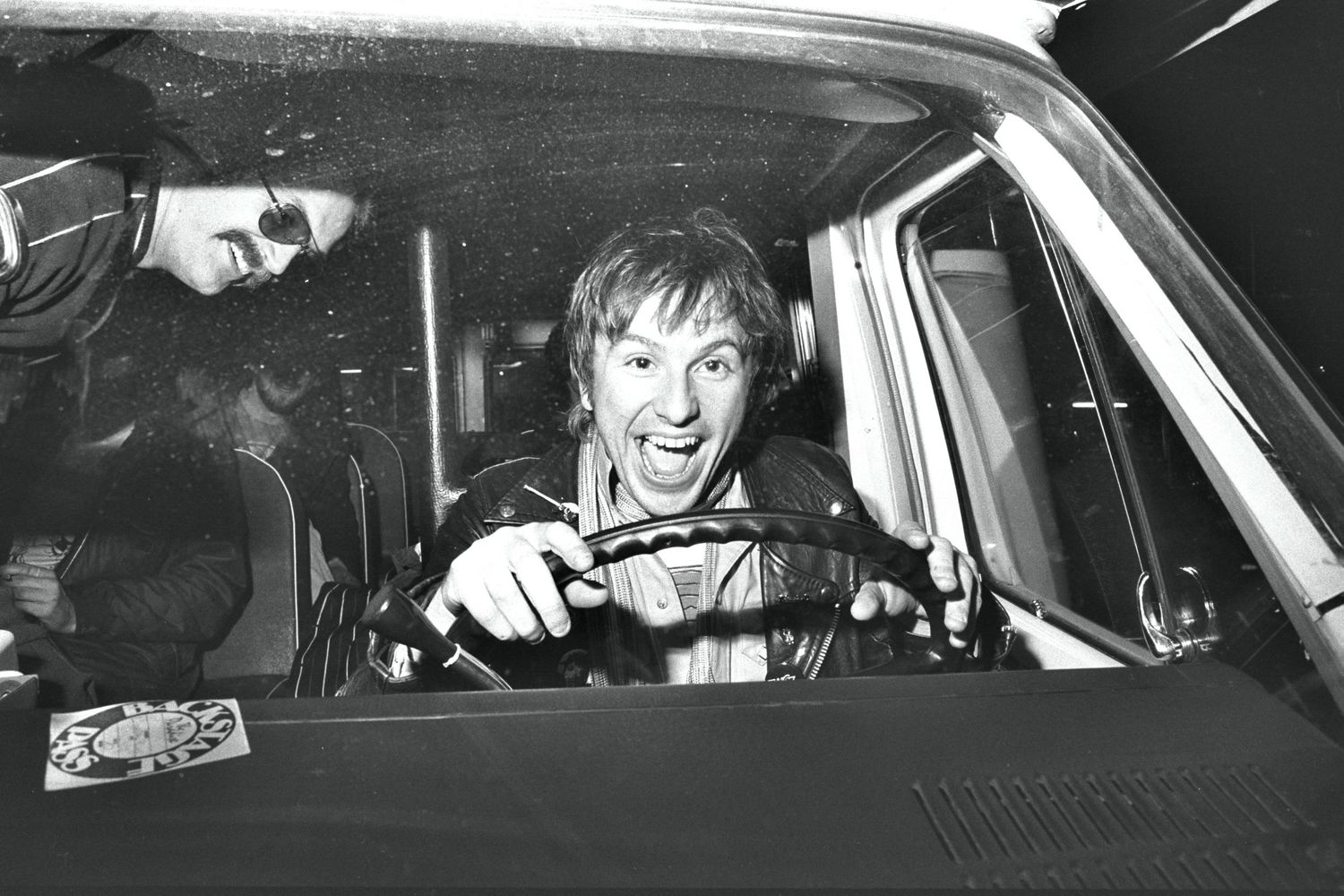
Eric Goulden
AKA
"Wreckless Eric"
Eric Goulden, better known as Wreckless Eric, is an English rock and new wave singer-songwriter who made a splash with his 1977 classic “Whole Wide World” on Stiff Records. Even decades later, that song still gets people’s attention—it landed on Mojo magazine’s list of the best punk rock singles ever and ranked among the top 40 singles of the alternative era from 1975 to 2000. It’s a timeless tune that keeps Eric’s name alive in the music world.
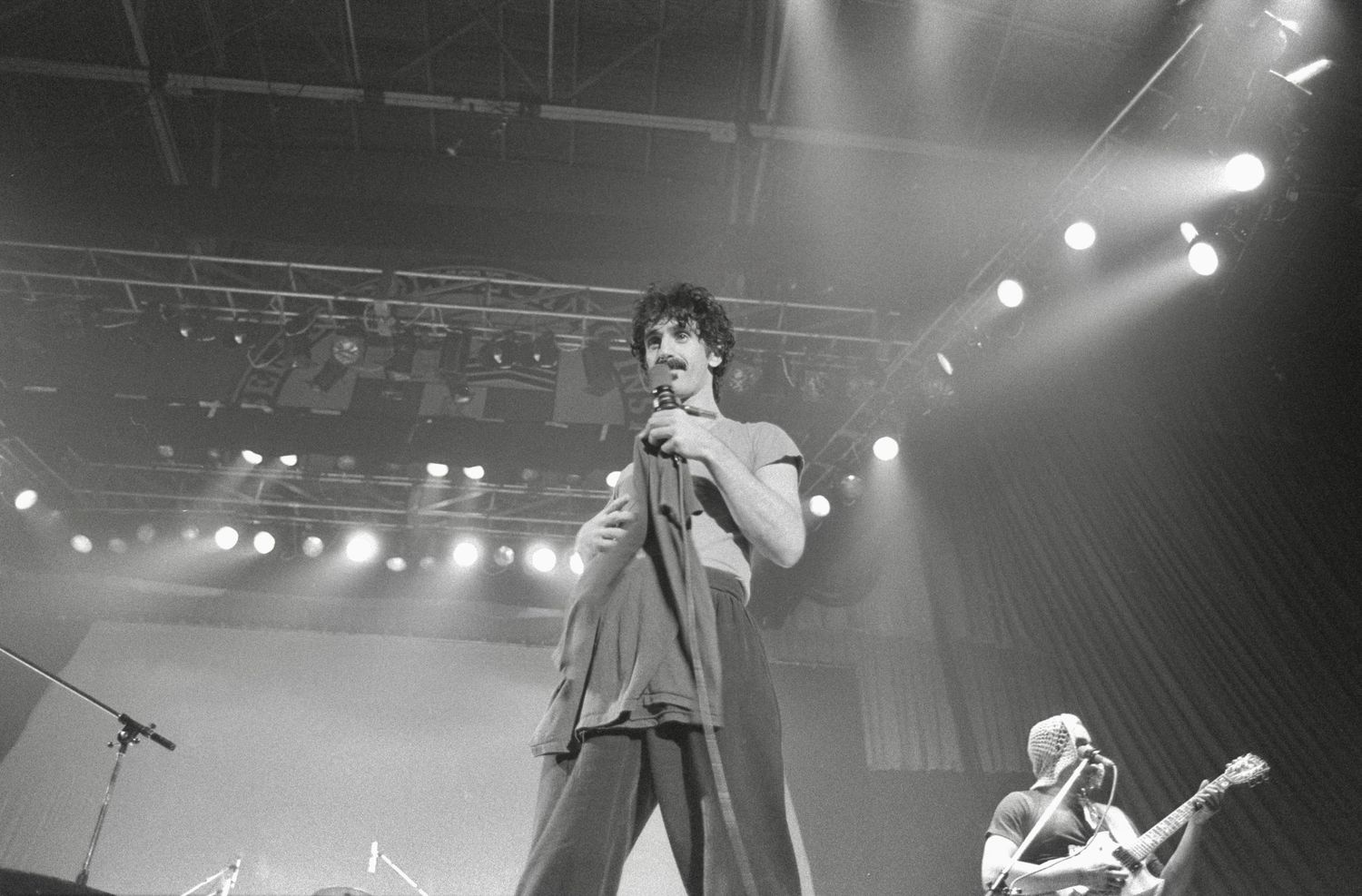
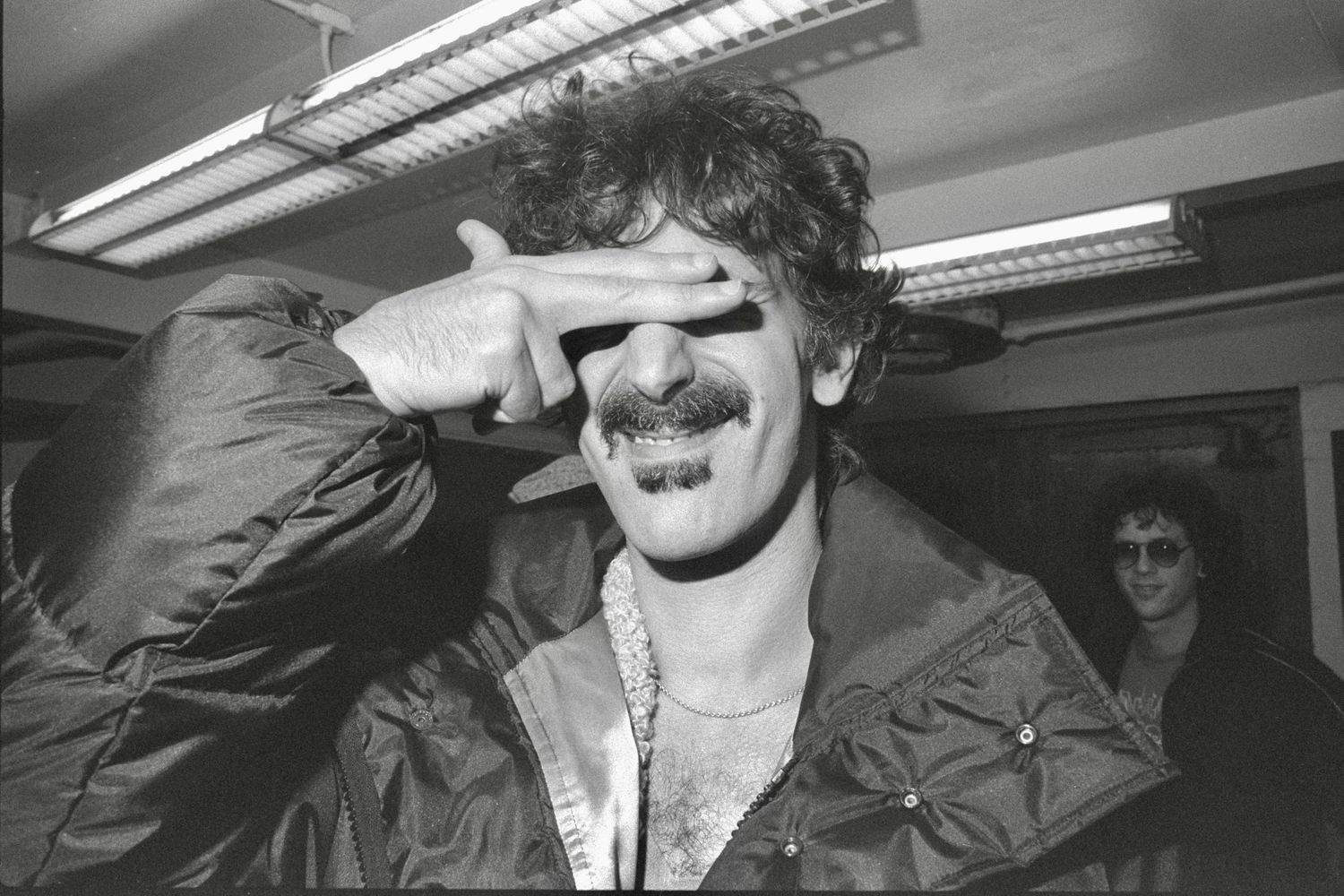
Frank ZappA @ ThE RPI Fieldhouse
Frank Zappa (1940–1993) was an American composer, guitarist, bandleader, filmmaker, and satirist known for his experimental music and outspoken views. Over a 30-year career, he released over 60 albums spanning rock, jazz, orchestral, and avant-garde styles—most of which he produced himself.
Largely self-taught, Zappa blended diverse influences like classical modernism, R&B, and doo-wop. His work often featured complex compositions, sharp social satire, and a concept he called "Project/Object," linking ideas across albums. He was a fierce critic of censorship, organized religion, and mainstream culture, and a strong advocate for free speech and political participation.
Frank Zappa's Biggest Hit came in 1982 with "Valley Girl" which was also his only to reach the Top 40.
Though polarizing, Zappa was highly influential, especially in Europe. He was posthumously inducted into the Rock and Roll Hall of Fame in 1995 and received the Grammy Lifetime Achievement Award in 1997.
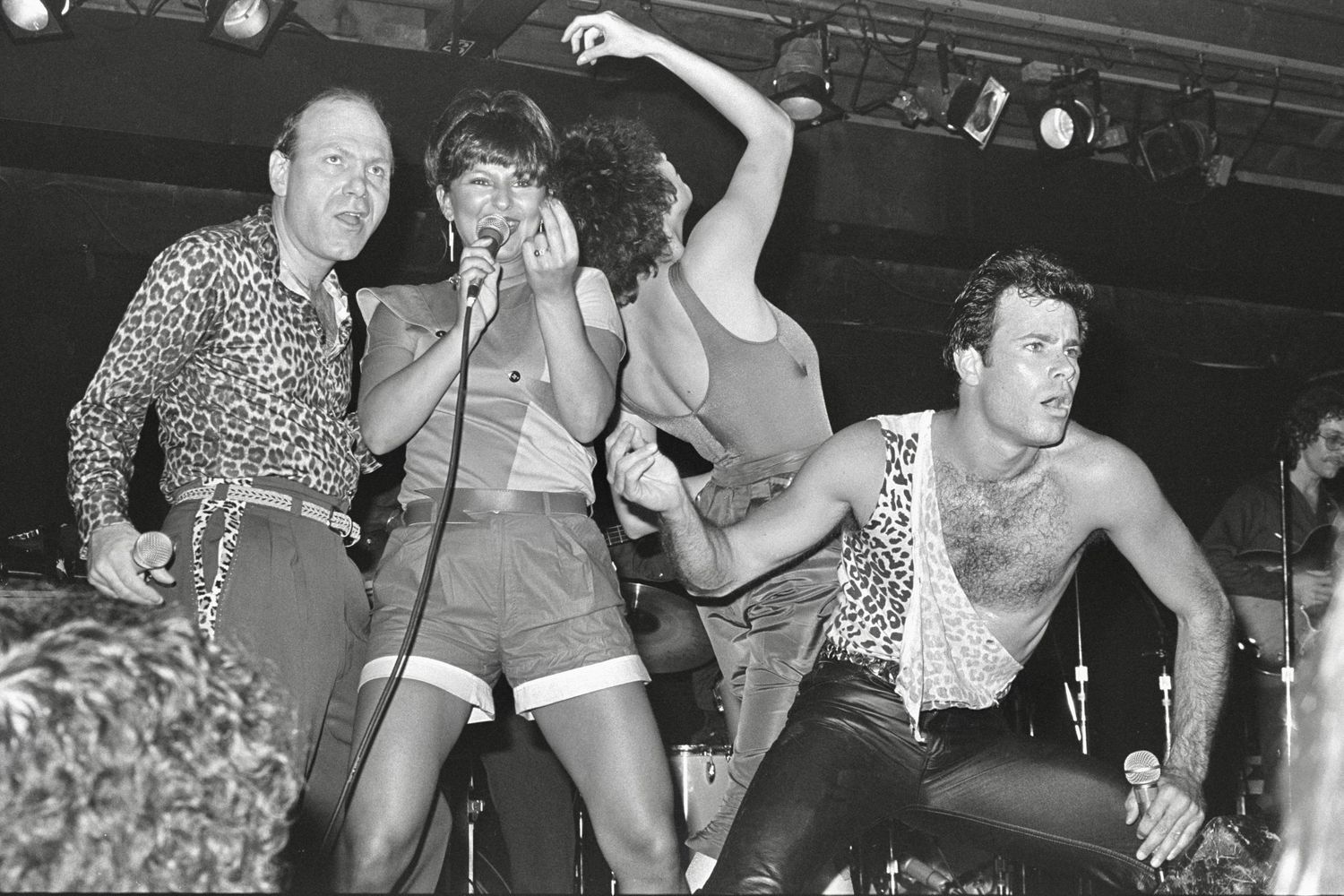
The Manhattan Transfer
The Manhattan Transfer was an American vocal group formed in 1969 in New York City, known for its eclectic blend of a cappella, Brazilian jazz, swing, vocalese, R&B, pop, and classic standards. Over their long career, they won 11 Grammy Awards and underwent several lineup changes, each bringing a unique musical style.
The original 1960s lineup featured Tim Hauser, Erin Dickins, Marty Nelson, Pat Rosalia, and Gene Pistilli, with a focus on a cappella. In 1972, a new version emerged with Hauser, Alan Paul, Janis Siegel, and Laurel Massé, leaning more into vocal jazz.
After Massé’s departure in 1979 due to a car accident, Cheryl Bentyne joined, ushering in the group’s most commercially successful era. During the 1980s, they explored electronic pop, soul, funk, and rhythmic styles.
The Manhattan Transfer had multiple hits, but their biggests "Chanson d'Amour" was a number one international hit in the UK and Europe in 1977, while "The Boy from New York City" reached the US Top 10 and won them a Grammy in 1981. "Birdland" became a classic jazz and vocal jazz hit, also winning a Grammy for its arrangement and performance.
From the 1990s onward, the group—still featuring Hauser, Paul, Siegel, and Bentyne—shifted toward smooth and cool jazz. Pianist Yaron Gershovsky became their longtime touring accompanist and music director. Following Hauser’s passing in 2014, Trist Curless of the a cappella group m-pact joined as a permanent member.
The Manhattan Transfer officially retired in 2023.
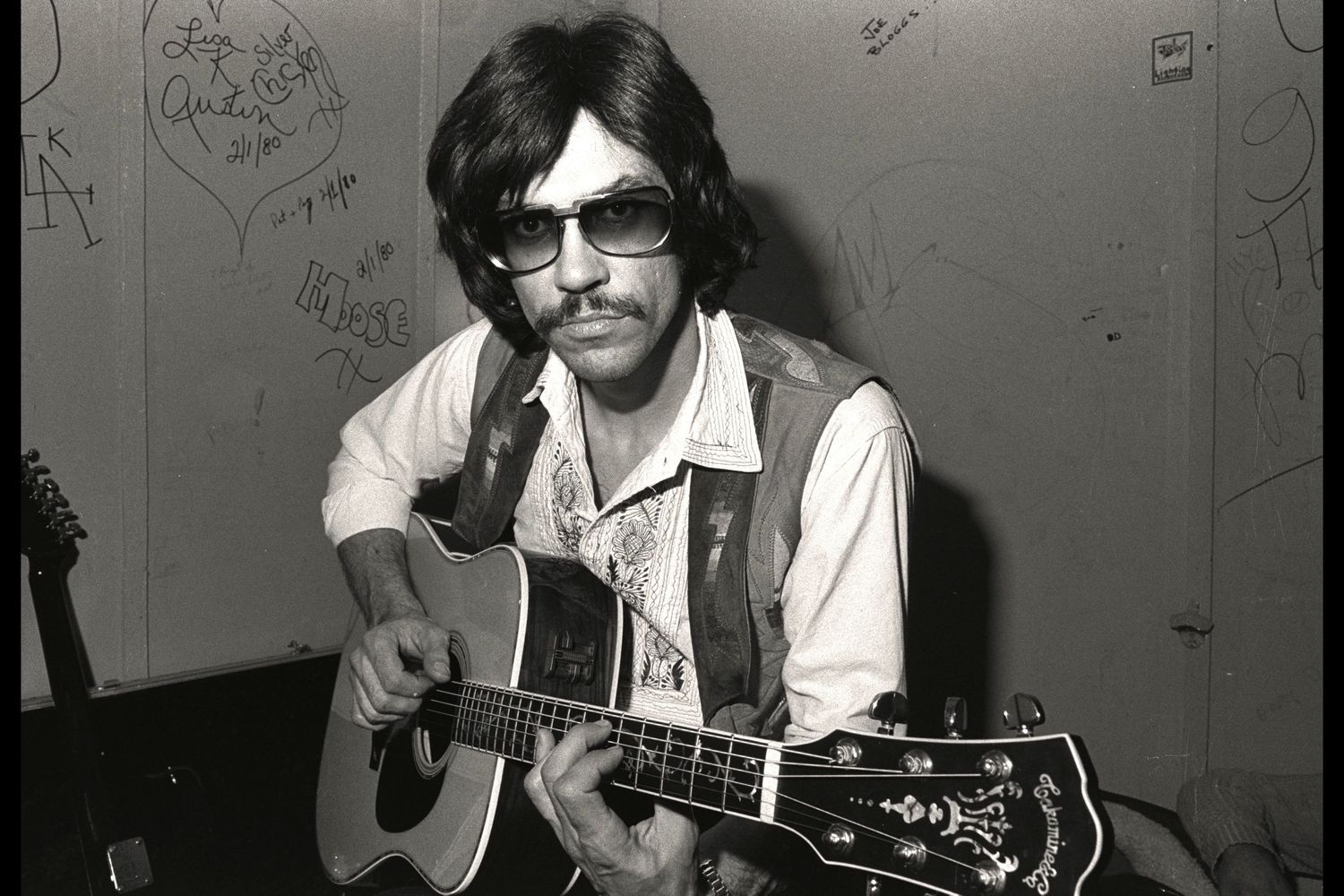
John Kay
OF
STEPPENWOLF
John Kay (born Joachim Fritz Krauledat, April 12, 1944) is a German-born American rock singer, songwriter, and guitarist, best known as the frontman of Steppenwolf.
In the early 1960s, Kay struggled to break into the music scene in Los Angeles. After hitchhiking to Canada in 1965, he joined the blues-rock band the Sparrows, led by fellow German Nick St. Nicholas. The band later relocated to California, expanded its lineup, and rebranded as Steppenwolf in 1967.
Known for pioneering hard rock and early heavy metal, the band rose to international fame with hits like "Born to Be Wild", "Magic Carpet Ride", "Monster", "The Pusher", and "Rock Me".
Kay also pursued solo projects in the late 1970s but continued to lead Steppenwolf for decades. The band celebrated its 50th anniversary with a final tour, wrapping up in October 2018. One of their notable appearances was at the HullabaLOU Festival in Louisville, Kentucky, in July 2010.
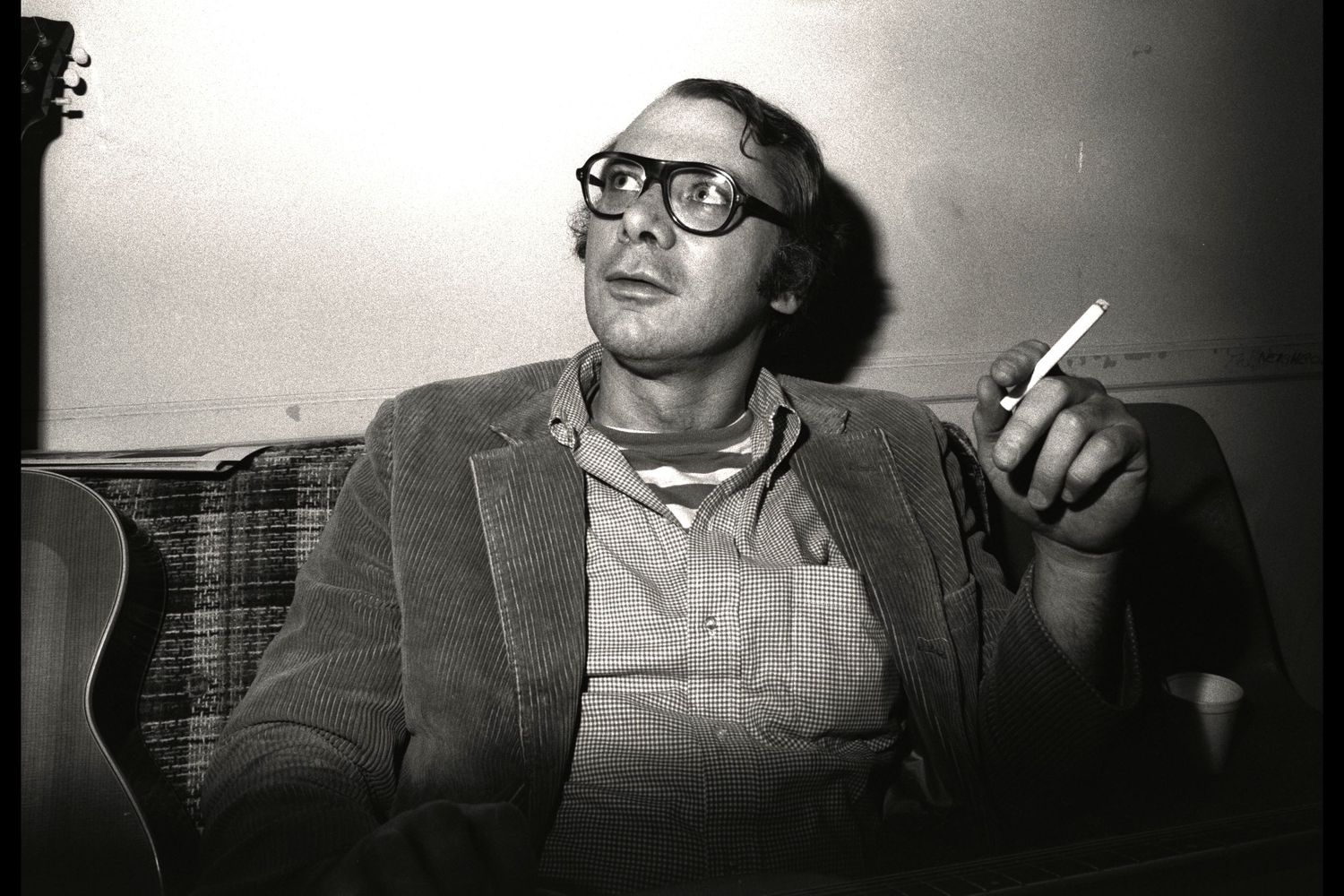
John Fahey
John Aloysius Fahey (/ˈfeɪhi/ FAY-hee; February 28, 1939 – February 22, 2001) was an American fingerstyle guitarist and composer best known for his solo work on the steel-string acoustic guitar. Widely regarded as a pioneering figure, Fahey played a central role in shaping the genre now known as American primitive guitar—a minimalist, self-taught style influenced by folk and blues traditions. He unearthed and preserved many forgotten early recordings in American roots music, and over time, infused his own compositions with elements of 20th-century classical music, as well as Portuguese, Brazilian, and Indian influences.
John Fahey's most famous and influential tracks include "Sunflower River Blues" and "Poor Boy Long Ways From Home". His most important work, however, is considered his debut album, Blind Joe Death, which was a groundbreaking avant-garde recording in 1959 and is now in the Library of Congress National Recording Registry.
Although Fahey struggled with poverty and health issues in his later years, he experienced a modest revival in the late 1990s, embracing more avant-garde approaches to his music. He also turned to visual art, producing a body of abstract paintings before his death in 2001 due to complications from heart surgery. Fahey’s legacy endured, earning him the 35th spot on Rolling Stone's 2003 list of the "100 Greatest Guitarists of All Time" and the 40th spot on the updated 2023 list.
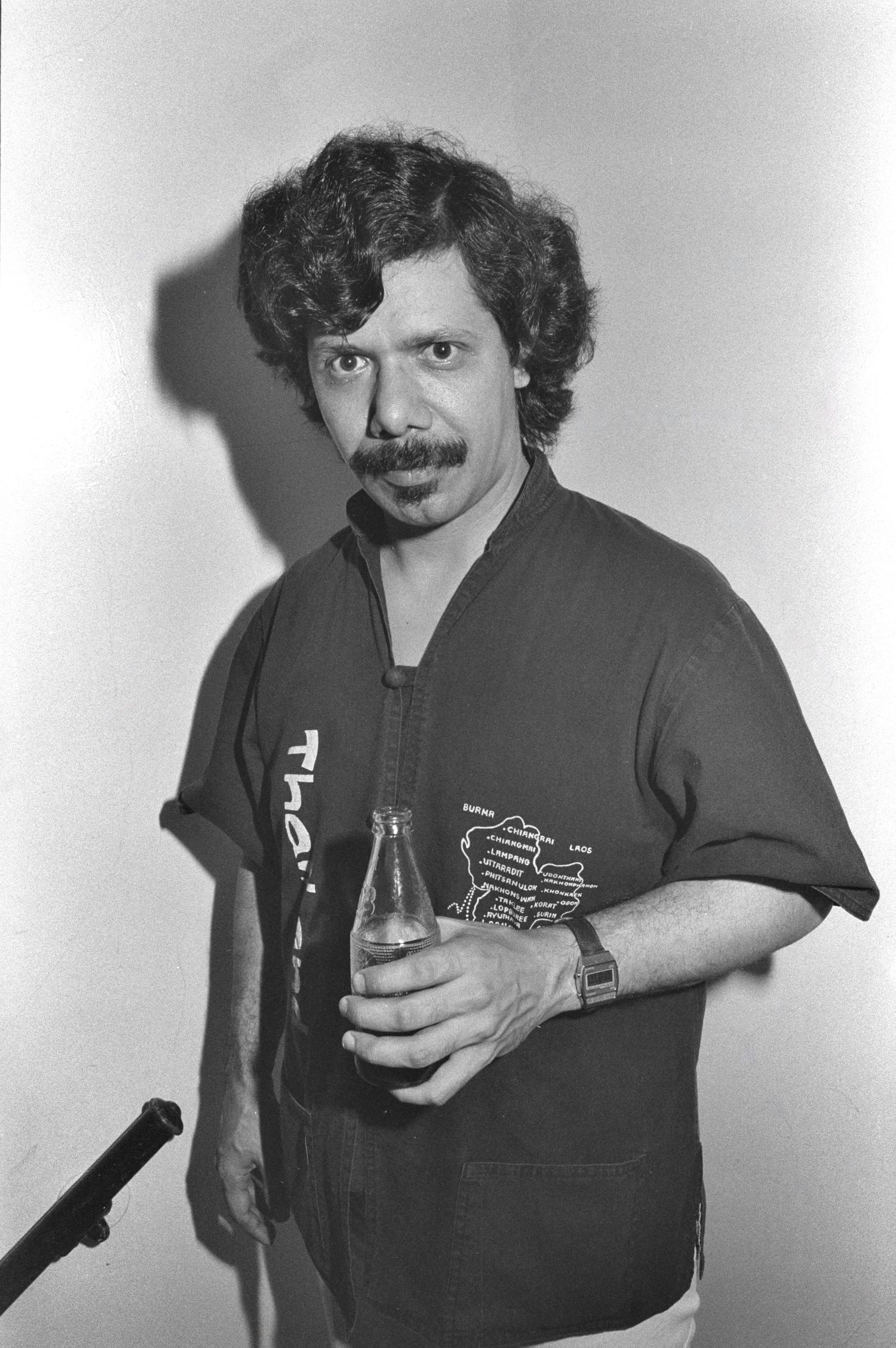
Chick Corea
Armando Anthony "Chick" Corea (June 12, 1941 – February 9, 2021) was an American jazz pianist, composer, bandleader, and occasional percussionist. Known for his virtuosic playing and innovative compositions, Corea wrote several pieces that have become jazz standards, including "Spain", "500 Miles High", "La Fiesta", "Armando's Rhumba", and "Windows". In the late 1960s, he was a key member of Miles Davis's band, contributing to the emergence of jazz fusion. He went on to form the influential group Return to Forever in the 1970s, helping to define the genre's sound.
Corea is widely regarded as one of the leading jazz pianists of the post-John Coltrane era, alongside McCoy Tyner, Herbie Hancock, and Keith Jarrett. Throughout the 1980s and 1990s, he continued to experiment with a wide range of musical styles, frequently collaborating with other artists. Over the course of his career, he earned 28 Grammy Awards and received a total of 72 nominations.
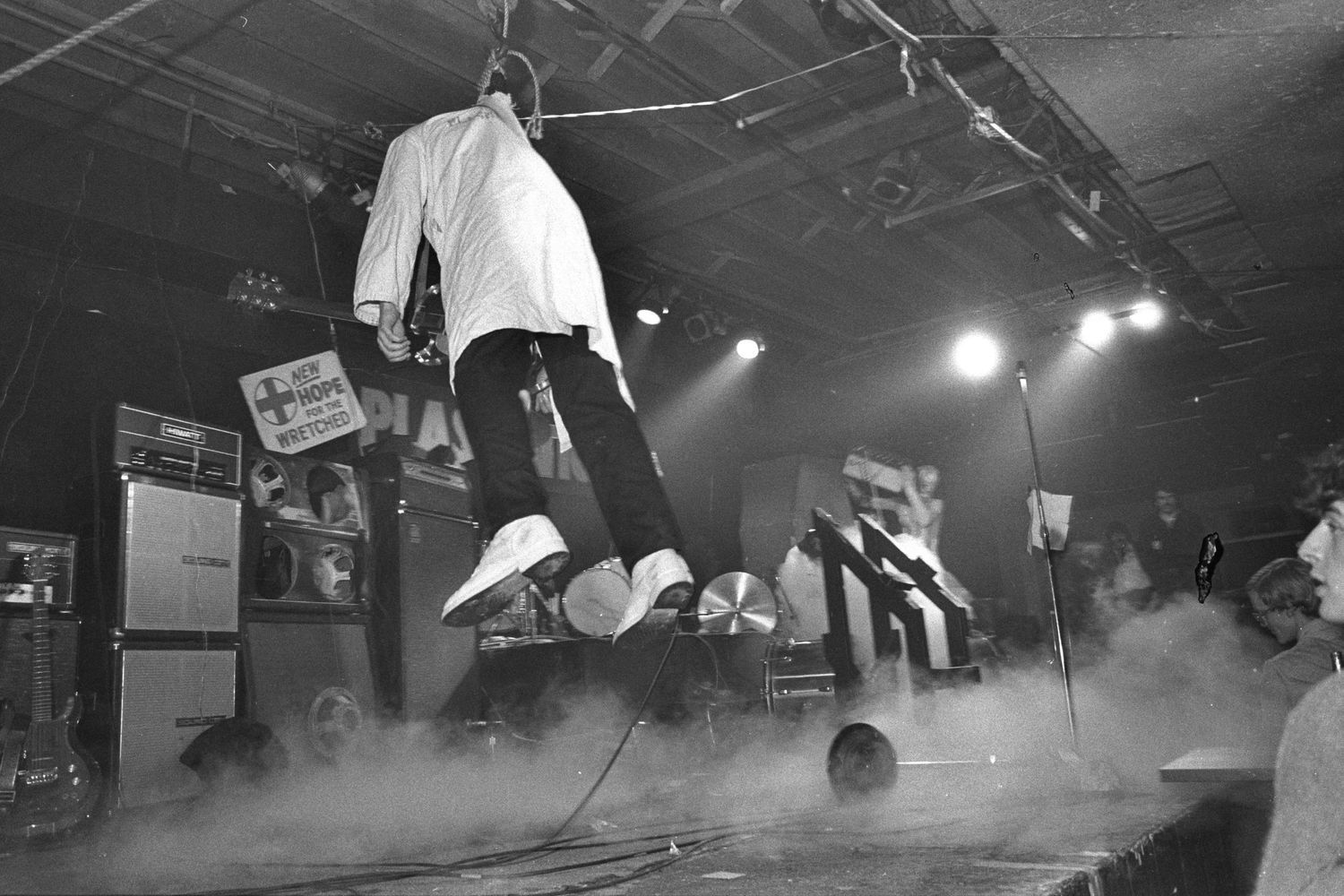
The PLASMATICS
The Plasmatics were an American punk rock and heavy metal band formed in New York City in 1978 by performance artist Rod Swenson and vocalist Wendy O. Williams. Known for their extreme stage antics and theatrical, often destructive live shows, the band became infamous for stunts like chainsawing guitars, smashing televisions with sledgehammers, destroying speaker cabinets, and detonating cars onstage. Their provocative performances sparked controversy, including the arrest of Williams in Milwaukee on charges of public indecency.
The Plasmatics' biggest hit was arguably "Butcher Baby" from their debut album New Hope for the Wretched, which was their first single and became a controversial anthem. While it didn't top the charts, its impact was significant, reaching #55 on the UK charts and gaining over 2 million views on YouTube, influencing other bands like the Butcher Babies.
Over the course of their career, The Plasmatics released five studio albums and several EPs. While Wendy O. Williams remained the face and voice of the band, the lineup behind her changed frequently. Alongside Williams and manager Rod Swenson, guitarist Wes Beech was the only consistent member throughout the band's run. Guitarist Richie Stotts, a co-founder and prominent member during the band’s peak years (1978–1983), played a key role until the group's breakup following the release of Coup d'Etat. After the disbandment, Stotts was notably absent from later official materials, including a 2006 compilation DVD released by Plasmatics Media LLC, where he was not credited or mentioned by name.
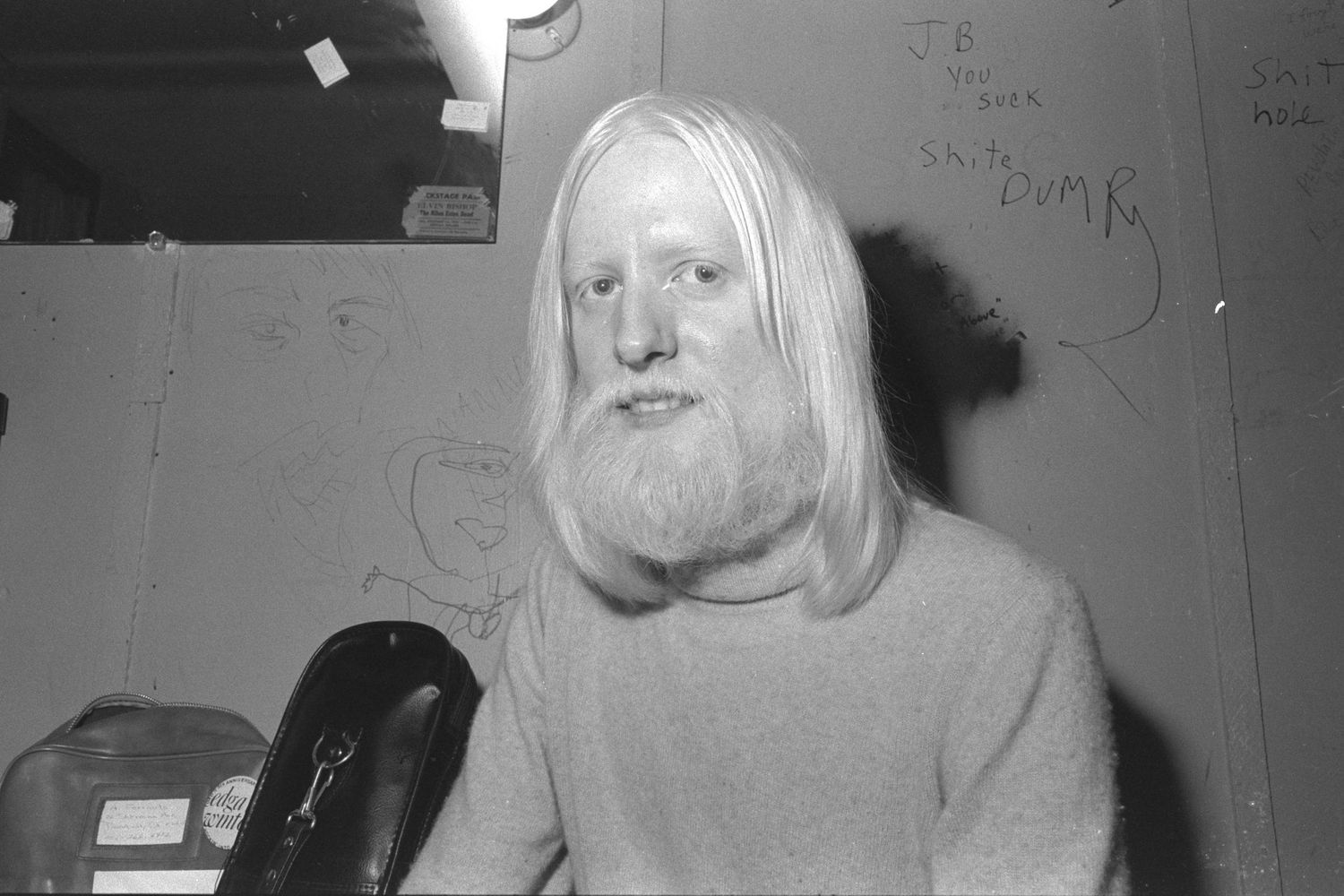
Edgar Winter
Edgar Holland Winter (born December 28, 1946) is an American multi-instrumentalist known for his work as a vocalist and his skill on keyboards, saxophone, and percussion. He rose to prominence in the 1970s with the Edgar Winter Group, achieving major success with hit songs like "Frankenstein" and "Free Ride". He is also the younger brother of the late blues singer and guitarist Johnny Winter.
Winter’s music spans rock, jazz, blues, and pop. His 1970 debut album Entrance showcased his genre-blending style. He then formed the band White Trash before creating The Edgar Winter Group in 1972, which produced the platinum album They Only Come Out at Night.
He’s credited with inventing the keyboard body strap, allowing dynamic stage performances. Beyond his own work, Winter has contributed to recordings by Meat Loaf, Tina Turner, David Lee Roth, and more.
Winter’s songs have been featured in numerous films and TV shows, and his track “Dying to Live” was sampled by 2Pac in the hit rap song “Runnin’ (Dying to Live)”. He has toured with Ringo Starr’s All-Starr Band multiple times and remains active in music.
In 1986, Winter worked on Mission Earth, an album based on material by Scientology founder L. Ron Hubbard, which combined rock’s roots with experimental elements.
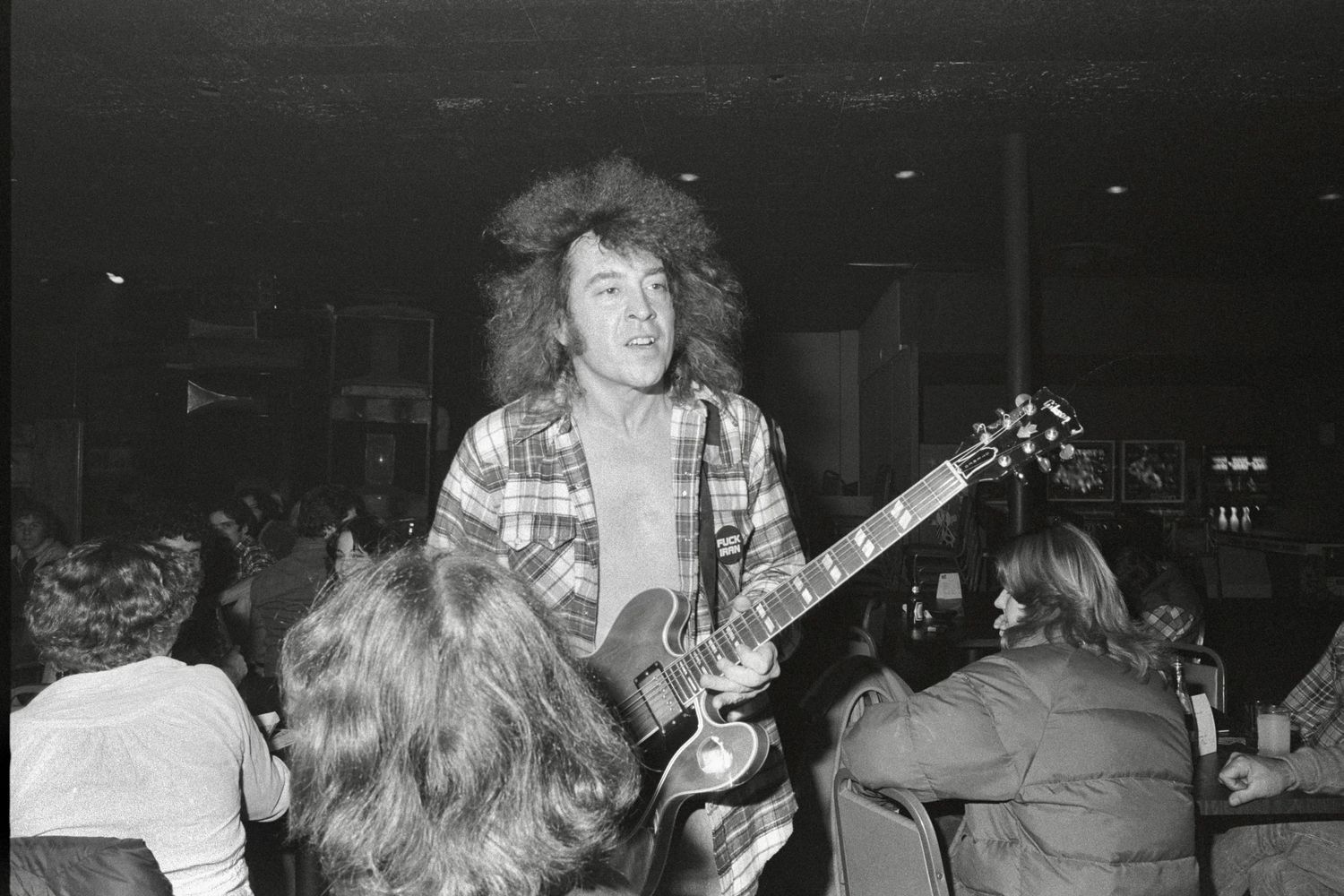
elvin bishop
Elvin Richard Bishop (born October 21, 1942) is an American blues and rock guitarist, singer, and songwriter. He gained fame in the 1960s as a founding member of the Paul Butterfield Blues Band, and was inducted into the Rock and Roll Hall of Fame in 2015 and the Blues Hall of Fame in 2016.
Born in California and raised in Iowa and Oklahoma, Bishop earned a scholarship to the University of Chicago, where he met Paul Butterfield and joined his band. After several albums, including The Resurrection of Pigboy Crabshaw, he went solo in 1968, forming the Elvin Bishop Group and later scoring a major hit with “Fooled Around and Fell in Love” in 1976.
Known for his slide guitar and trademark Gibson ES-345 “Red Dog,” Bishop has collaborated with artists like B.B. King, John Lee Hooker, and Clifton Chenier. He released numerous albums on labels like Alligator and Delta Groove, earning Grammy nominations and multiple Blues Music Awards.
His recent projects include Elvin Bishop’s Big Fun Trio and a Grammy-nominated collaboration with Charlie Musselwhite, 100 Years of Blues (2021).
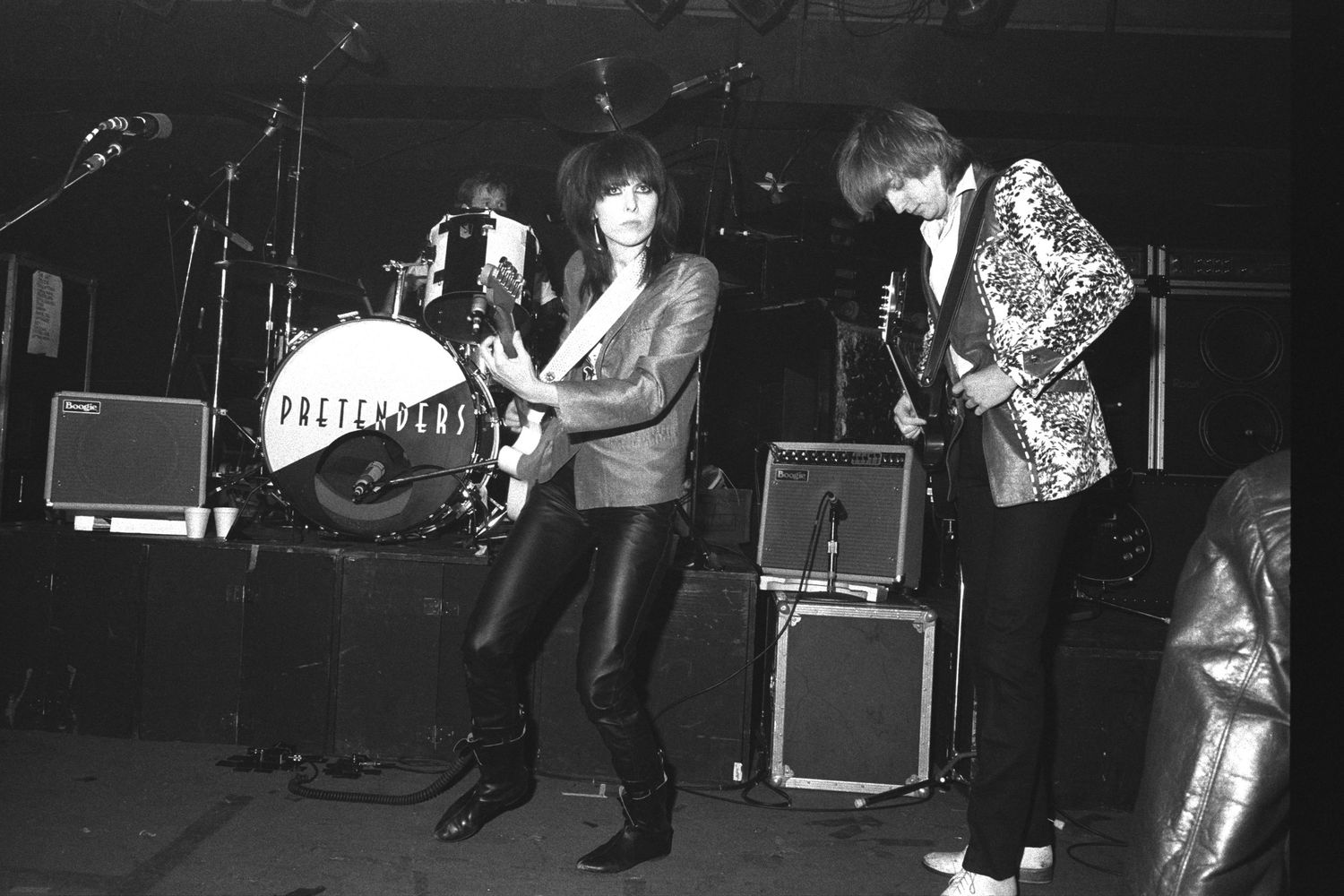
Chrissie Hynde
of
the Pretenders
Chrissie Hynde aka Christine Ellen Hynde (born September 7, 1951) is an American-British singer, songwriter, and musician. She is a founding member of the rock band The Pretenders, serving as the lead vocalist, guitarist, and primary songwriter. Alongside drummer Martin Chambers, she is one of the two remaining original members and the only member to appear on every studio album released by the band.
Hynde formed The Pretenders in Hereford, England, in 1978, with Pete Farndon, James Honeyman-Scott, and Chambers. Throughout her career, she has also collaborated with notable artists such as Frank Sinatra, Cher, and UB40. In 2014, Hynde released her first solo album, Stockholm. She was inducted into the Rock and Roll Hall of Fame in 2005 as a member of The Pretenders.
Chrissie Hynde and The Pretenders had many hits, but "Brass in Pocket" became the band's biggest hit to that point, reaching number one on the UK singles chart and number 14 on the US Billboard Hot 100.
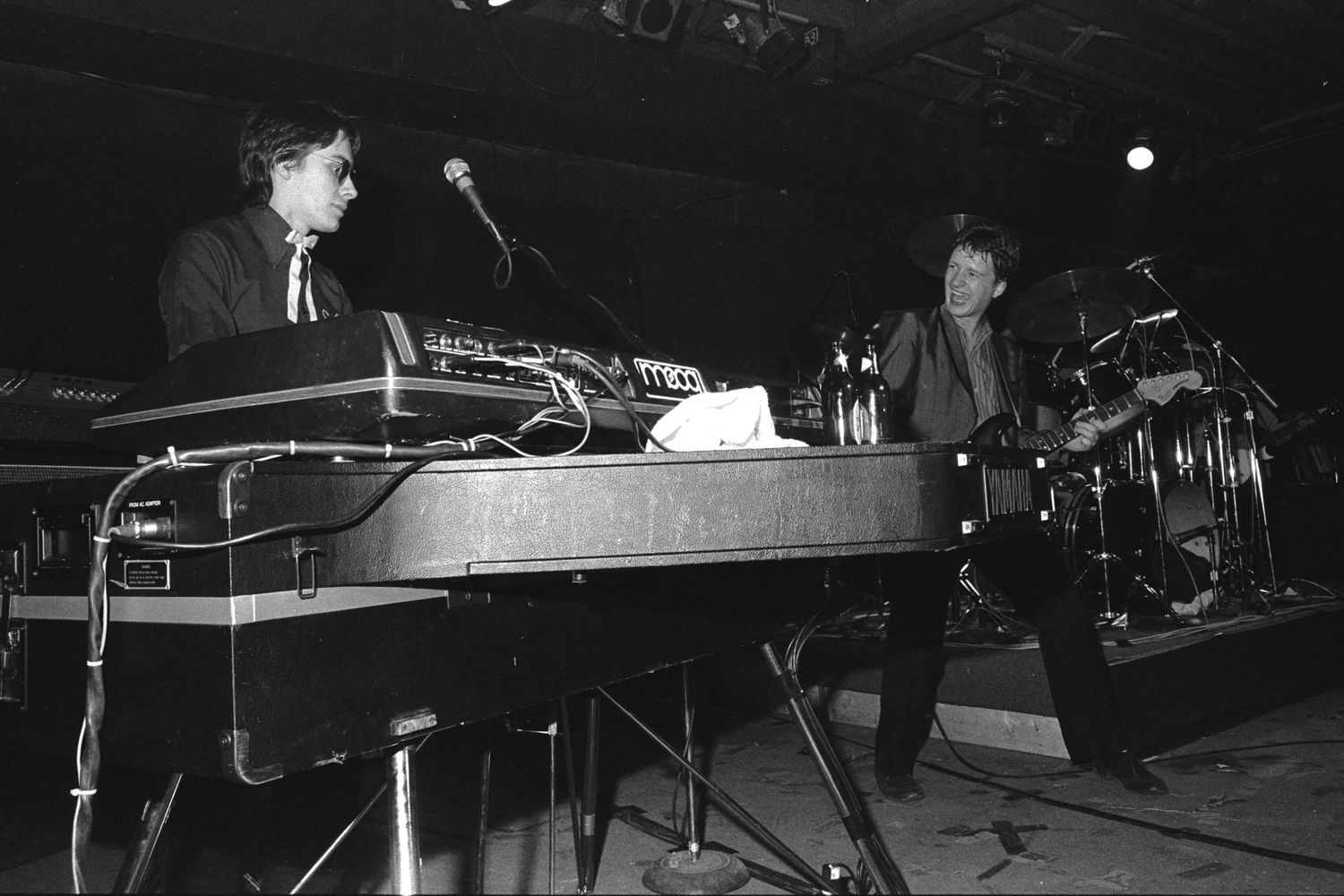
Jools Holland of the Squeeze
Jools Holland (Born Julian Miles Holland on 24 January 1958) is an English pianist, bandleader, singer, composer, and television presenter. A founding member of Squeeze, he has collaborated with a wide range of artists including Tom Jones, Eric Clapton, George Harrison, David Gilmour, Bono, Amy Winehouse, and many others.
From 1982 to 1987, Holland co-presented the influential Channel 4 music show The Tube. Since 1992, he has hosted the long-running BBC2 series Later... with Jools Holland, known for its live music performances and its annual New Year’s special, Hootenanny. He has also appeared on various other radio and television programmes and is a published author.
In the UK, their singles "Cool for Cats", "Up the Junction", and "Labelled with Love" were top-ten chart hits. Though not as commercially successful in the United States, Squeeze had American hits with "Tempted", "Black Coffee in Bed", and "Hourglass", and were considered a part of the Second British Invasion.
In 2004, Holland released an R&B album with Tom Jones, and in 2024, he scored his first UK number one album with Swing Fever, a collaboration with Rod Stewart.
He was awarded an Officer of the Order of the British Empire - OBE in 2003 as part of the Queen’s Birthday Honours for his contributions to the British music industry as a musician and television presenter. In September 2006, he was appointed Deputy Lieutenant of Kent.
Holland became an honorary fellow of Canterbury Christ Church University in 2009, with the ceremony held at Canterbury Cathedral. In 2011, he was named honorary colonel of the 101 (City of London) Engineer Regiment.
Since 2018, he has served as President of the British Watch & Clock Makers Guild, and in 2019, he was made an honorary liveryman of the Worshipful Company of Plumbers.
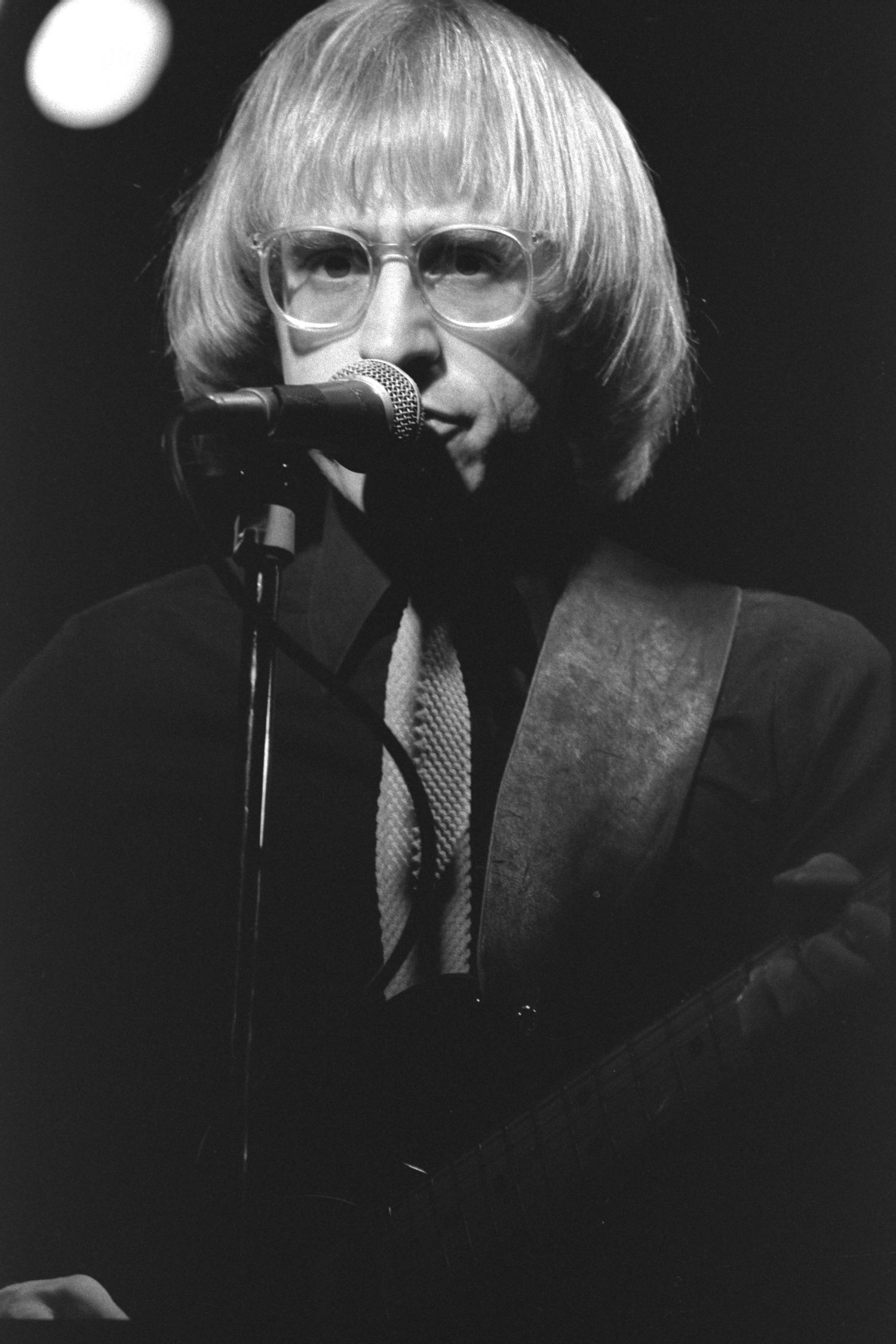
Moon Martin
Moon Martin Born John David Martin in Altus, Oklahoma, on October 31, 1945, he earned the nickname “Moon” for his frequent use of the word in his lyrics. After studying at the University of Oklahoma, he moved to Los Angeles and began recording for Capitol Records in the late ’70s.
Martin had modest success with songs like “Rolene” and “No Chance” in 1979, but it was Robert Palmer’s version of “Bad Case of Loving You”, originally from Martin’s 1978 debut, that became his biggest hit. His songs were also recorded by artists like Willy DeVille and Michelle Phillips.
He briefly played in Linda Ronstadt’s band in 1971, in a lineup that included Glenn Frey and Don Henley.
Moon Martin died of natural causes on May 11, 2020, in Encino, California. He was 74, though some reports listed his age as 69.
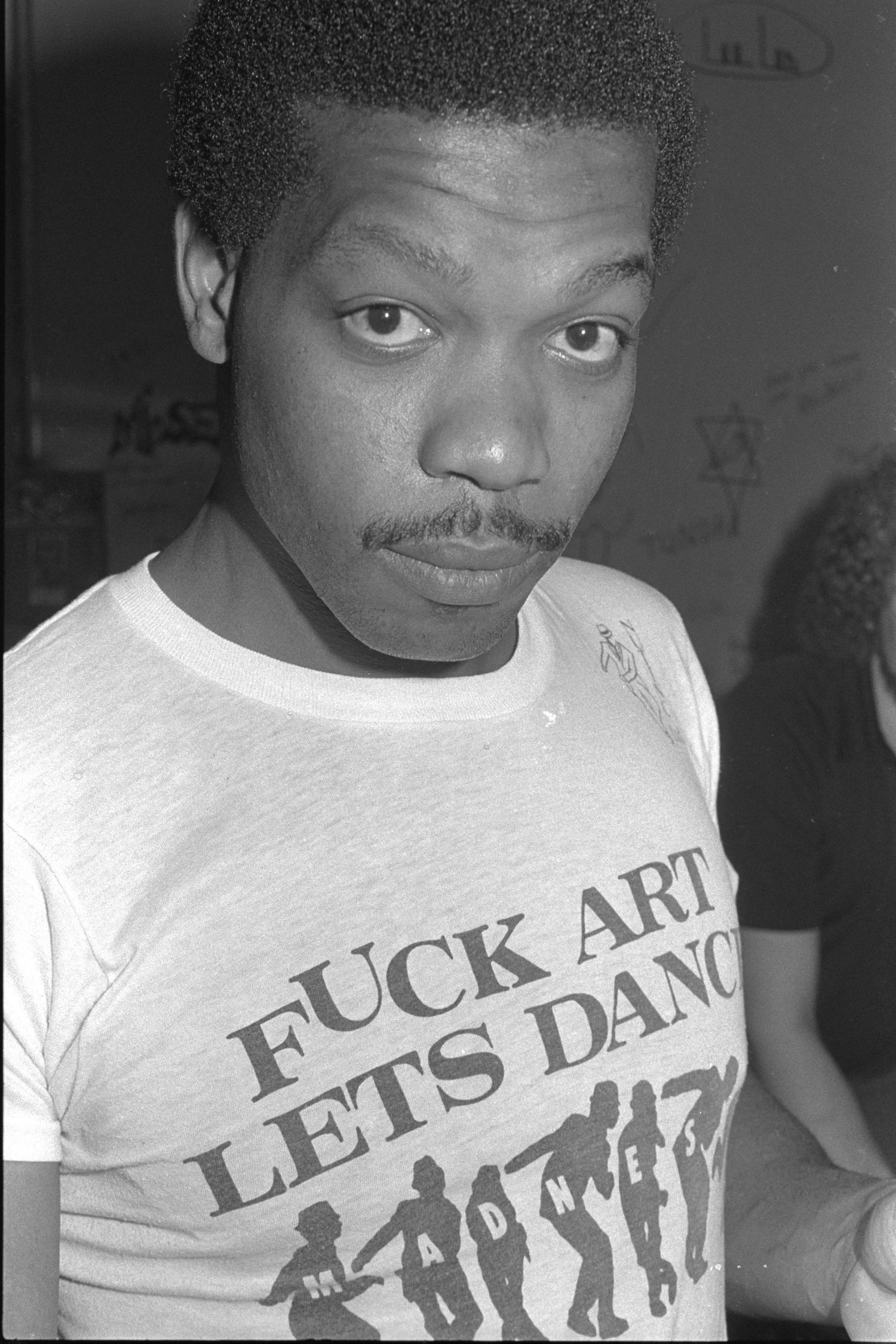
Desmond Brown
OF
THE Selecter
Desmond Brown had been active as an Organ Player in the United Kingdom's Coventry music scene for years before joining The Selecter in 1979. He previously played alongside Neol Davies in Transposed Men, and with Charley Anderson and Gaps Hendrickson in Chapter 5 during the mid-1970s.
A talented Hammond organ player, Brown’s contributions to The Selecter’s debut album are widely praised. However, he left the band shortly after recording their 1980 single “The Whisper”.
Brown later teamed up with Charley Anderson to form The People, releasing the single “Musical Man”. He left the music industry in 1982 due to ill health and has not returned since. He is believed to still reside in Coventry, UK.
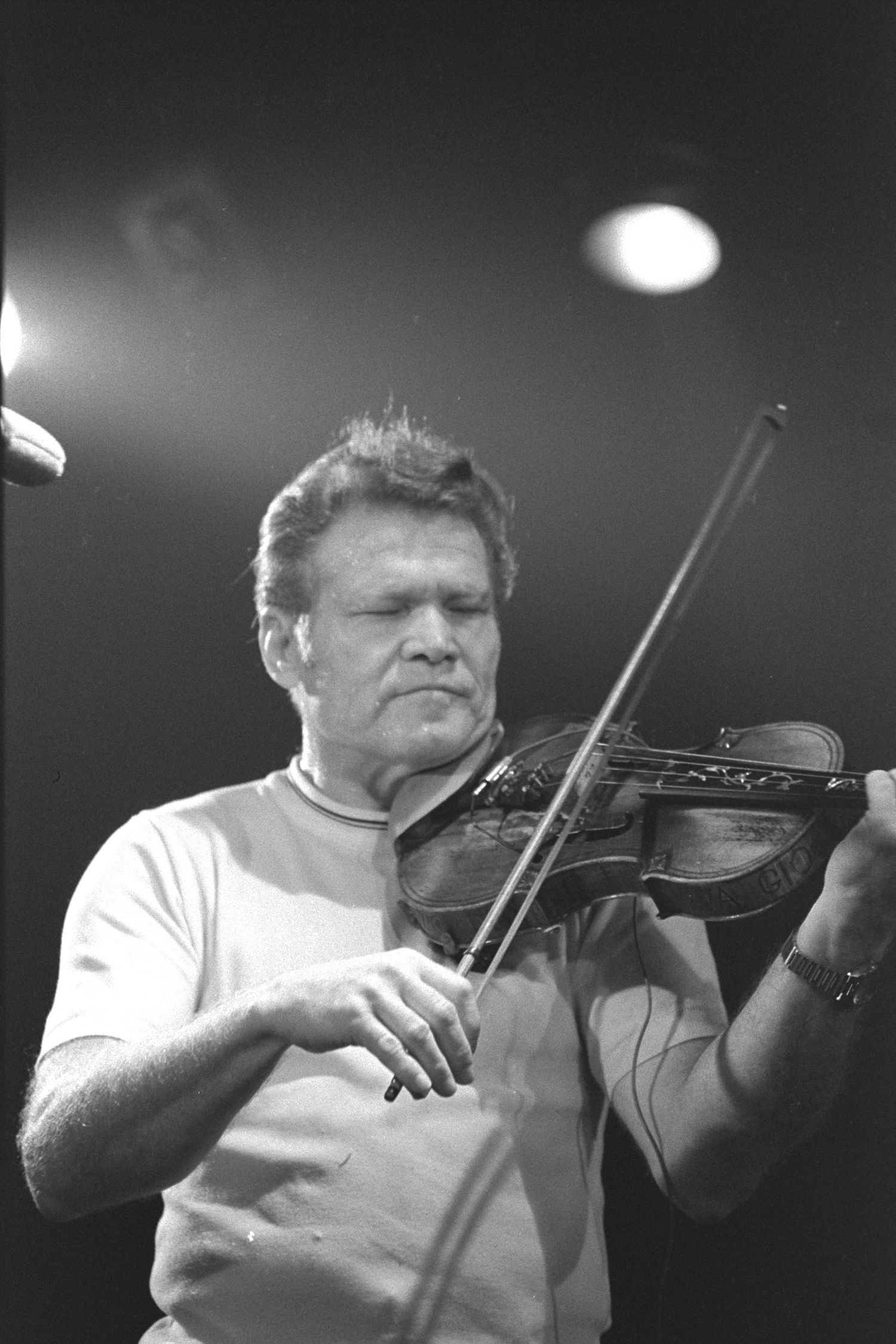
Vassar Clements
Vassar Clements (April 25, 1928 – August 16, 2005) was a masterful American fiddler who blended jazz, swing, bluegrass, and country into a unique improvisational style often called Hillbilly Jazz. Born in Kinard, Florida, and raised in Kissimmee, he began playing the fiddle at age 7 and went on to forge a stellar 50-year career marked by versatility and innovation.
After joining Bill Monroe’s Blue Grass Boys in 1949, Clements performed with legends like Flatt & Scruggs, Bill Monroe, and the Nitty Gritty Dirt Band—with whom he won a 2005 Grammy for “Earl’s Breakdown”. He was a key contributor to pivotal albums including Will the Circle Be Unbroken, Aereo-Plain, and Old & In the Way. He also appeared on records by the Grateful Dead, Jimmy Buffett, Linda Ronstadt, and Paul McCartney, and collaborated on a celebrated duet album with Stéphane Grappelli.
Known for playing over 200 albums—including many as a featured artist—Clements defined his craft with heartfelt humility: “I don’t read music. I play what I hear.” His final album, Livin’ With the Blues (2004), showcased his only full blues work, and he remained in demand until his final performance in February 2005.
In recognition of his lasting influence, he was posthumously inducted into the International Bluegrass Music Hall of Fame in 2018.
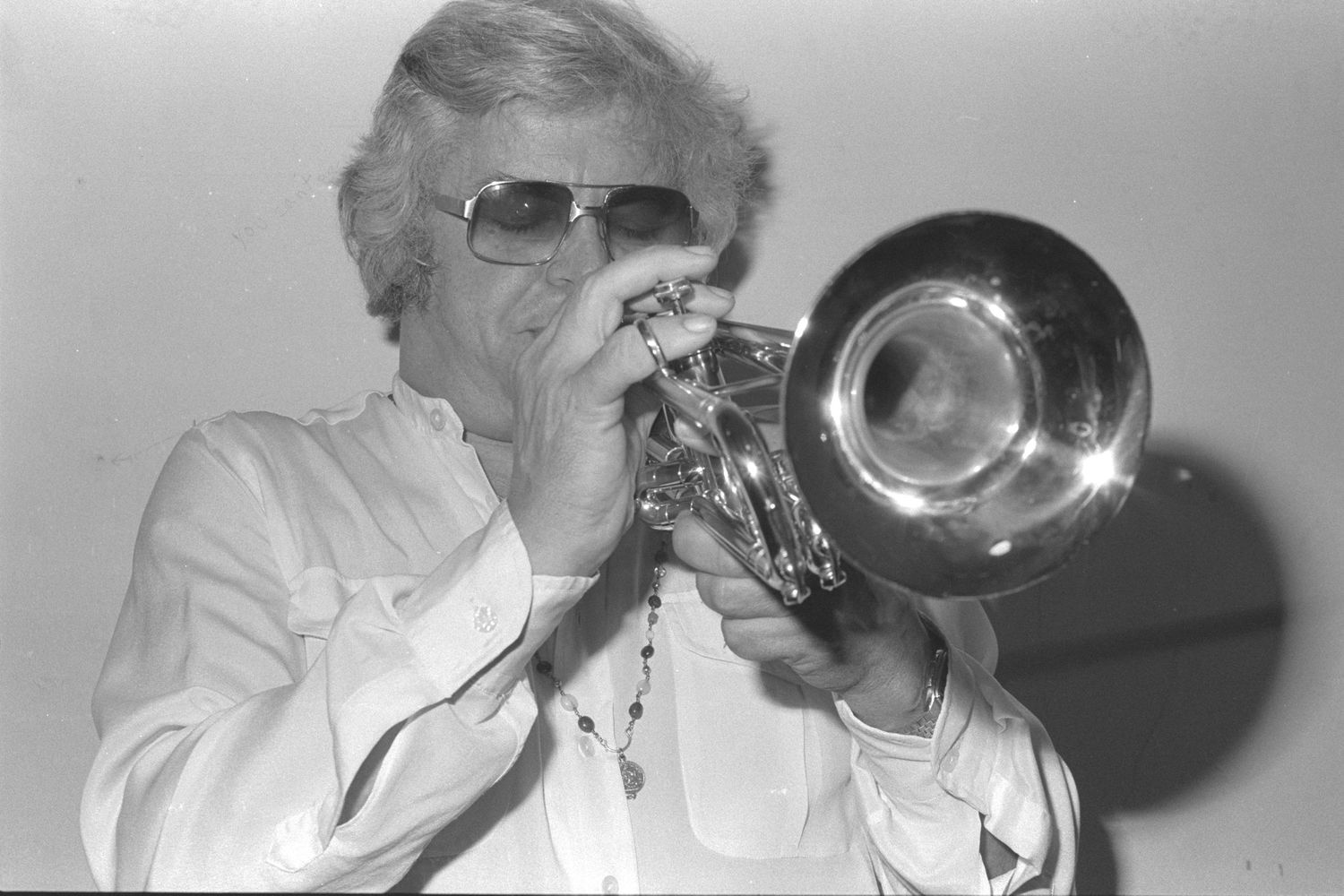
Maynard Ferguson
Maynard Ferguson (May 4, 1928 – August 23, 2006) was a Canadian jazz trumpeter and bandleader known for his extraordinary high-note trumpet playing, instrumental versatility, and dedication to nurturing young talent. He rose to fame in the 1950s with Stan Kenton’s orchestra before launching his own influential big band in 1957.
Ferguson worked extensively in Hollywood, contributing to film soundtracks and leading several innovative bands over the decades—including the jazz-rock groups of the 1970s and the Big Bop Nouveau band formed in 1988. His 1976 hit “Gonna Fly Now” from Rocky brought him mainstream recognition.
A musical explorer, Ferguson spent time in India and was deeply influenced by Eastern spirituality. He remained a tireless performer and educator, touring internationally until his death in 2006. His legacy endures as one of jazz’s most powerful and charismatic trumpet voices.
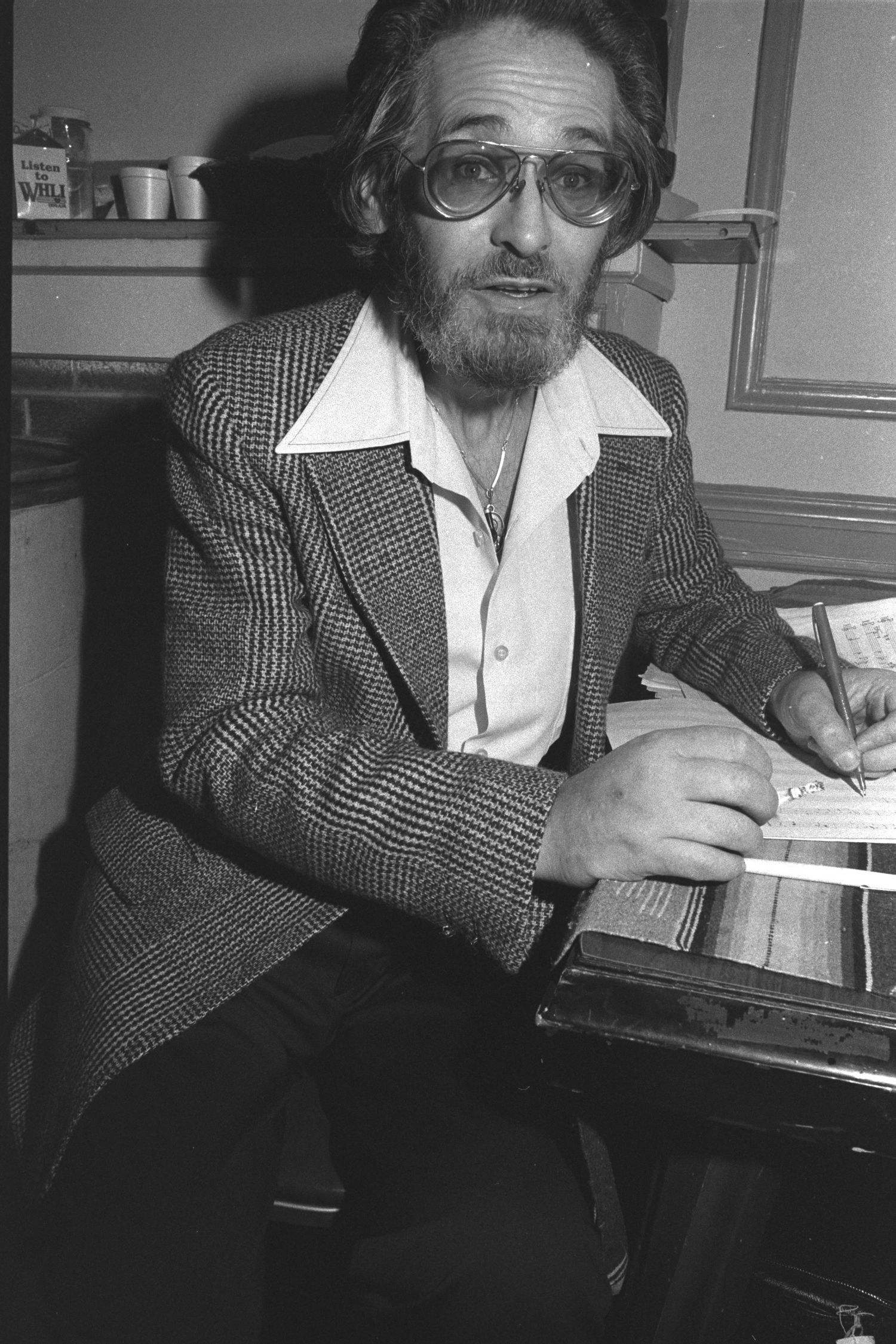
Bill Evans
Bill Evans (August 16, 1929 – September 15, 1980) was an influential American jazz pianist and composer, known for his lyrical playing, impressionist harmonies, and innovative trio work.
Born in Plainfield, New Jersey, he studied classical music at Southeastern Louisiana College and the Mannes School of Music in New York. After moving to New York in 1955, he worked with George Russell and later joined Miles Davis’s sextet, contributing to the landmark 1959 album Kind of Blue.
Evans soon formed his own trio with bassist Scott LaFaro and drummer Paul Motian, creating a new standard for jazz interplay. Their recordings, especially Sunday at the Village Vanguard and Waltz for Debby, remain iconic. After LaFaro’s untimely death, Evans continued to lead trios, including long collaborations with Chuck Israels and Eddie Gómez.
He won a Grammy for his overdubbed solo album Conversations with Myself (1963) and recorded two acclaimed albums with Tony Bennett in the 1970s. His compositions, such as “Waltz for Debby” and “Time Remembered”, have become jazz standards.
Evans received 31 Grammy nominations, won seven, and was inducted into the DownBeat Jazz Hall of Fame.
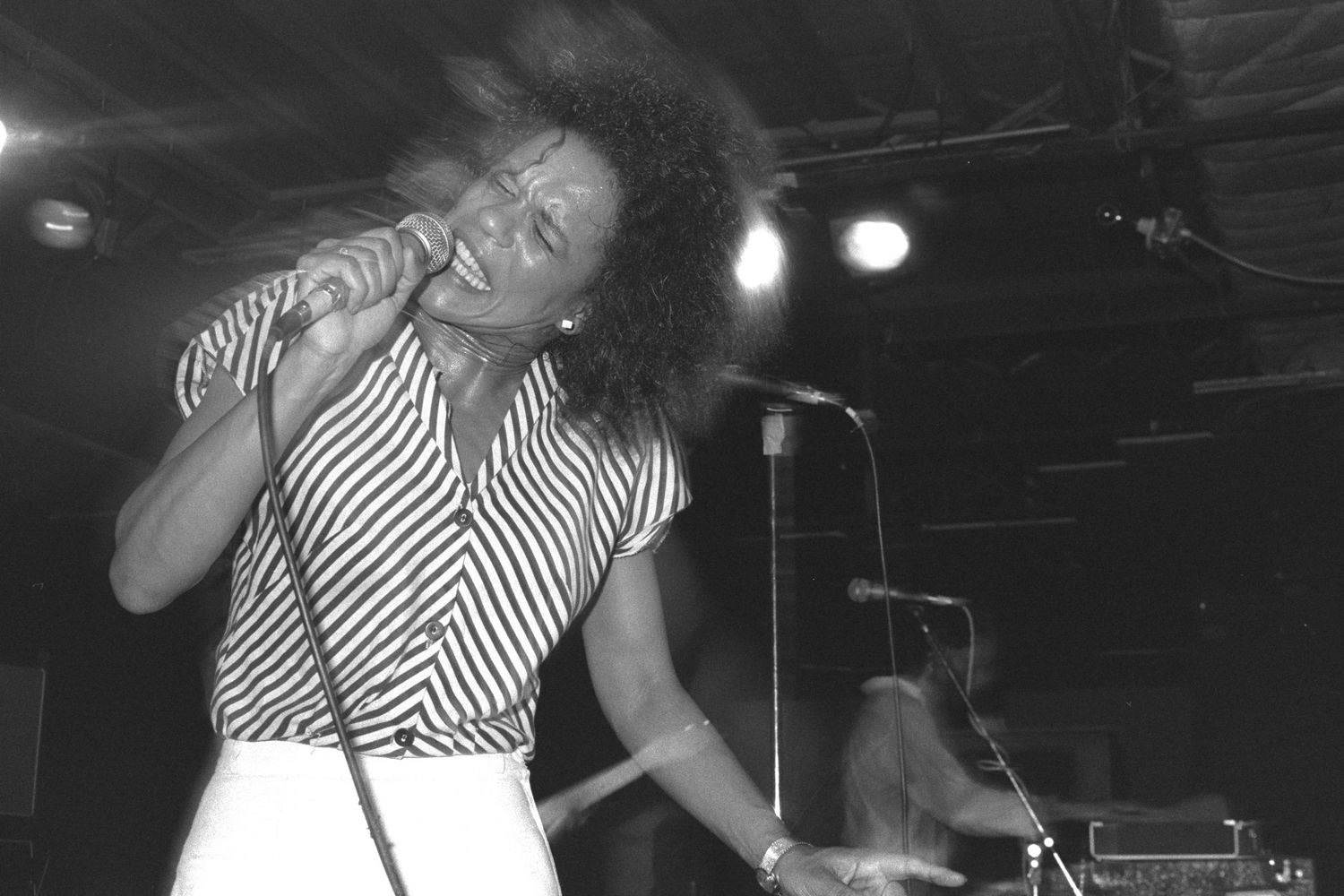
Pauline Black Of The Selecter
Belinda Magnus OBE DL (born 23 October 1953 in Romford, Essex, England), professionally known as Pauline Black, is a singer, actress, and author.
With a music career spanning more than four decades, Black rose to fame in the late 1970s as the lead vocalist of the influential 2 Tone ska revival band The Selecter. The group achieved UK Top 40 success with several hit singles, including "On My Radio", "Three Minute Hero", "Missing Words", and "The Whisper". Rolling Stone praised her, stating: “Hands down, Pauline Black possessed the best voice that ever graced a 2-Tone release. Blessed with a bewitching soprano and dramatic panache, Black's voice reached plateaus that made every other musical detail sound like part of a backdrop painted just to set the stage for her entrance.”
In addition to her musical achievements, Black has also had a varied acting career, appearing in both film and television.
She was appointed Officer of the Order of the British Empire (OBE) in the 2022 New Year Honours for services to entertainment. She was appointed as a Deputy Lieutenant of the West Midlands in May 2022.
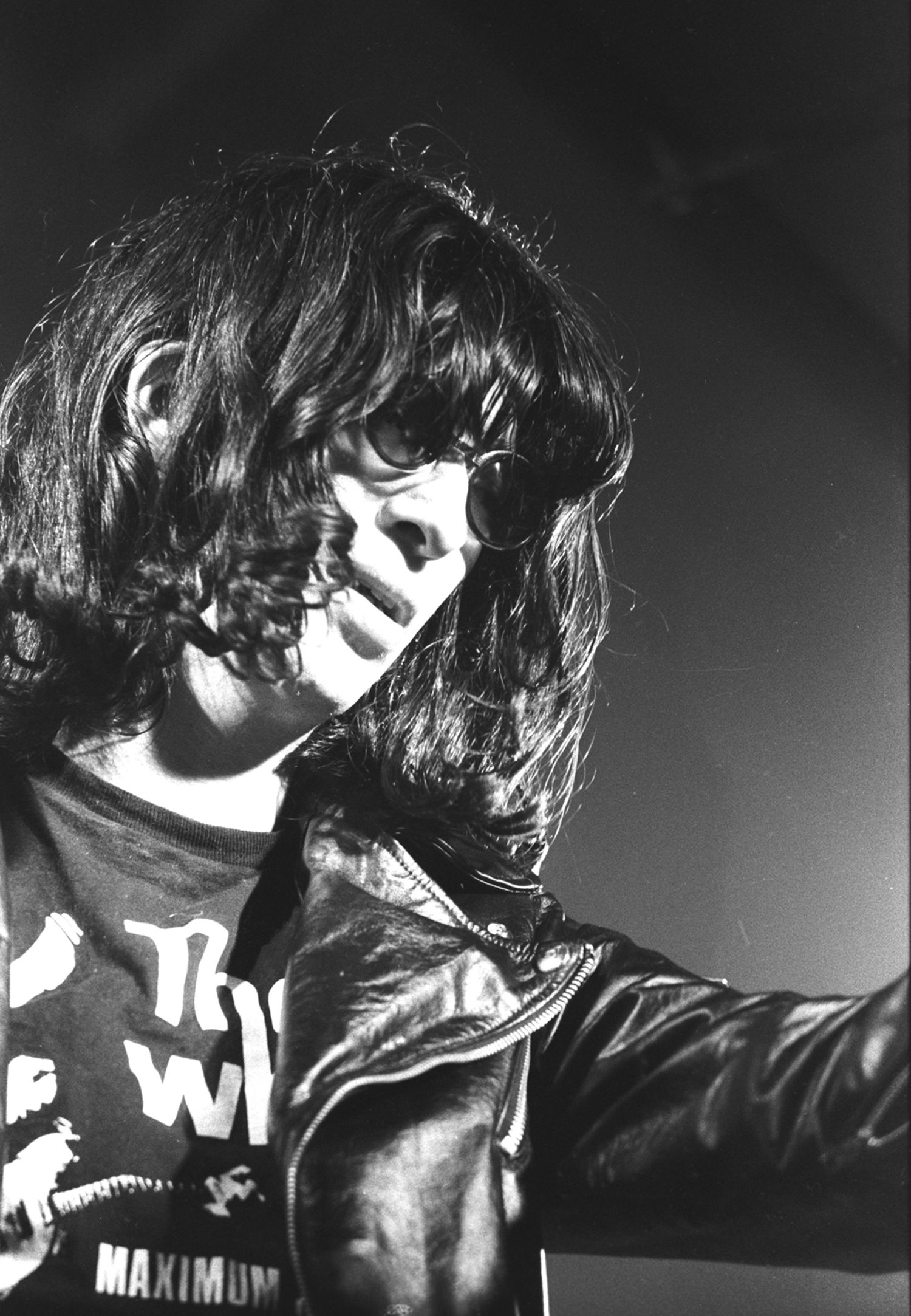
Joey Ramone
of
the Ramones
Joey Ramone (born Jeffrey Ross Hyman) was the iconic frontman of the pioneering punk band the Ramones. Born on May 19, 1951, in Queens, New York, Joey helped launch a musical revolution when he co-founded the Ramones in 1974 alongside Johnny and Dee Dee Ramone. Known for his distinctive voice, towering presence, and offbeat style, he quickly became one of punk rock’s most recognizable figures.
Joey originally started as the band’s drummer but soon stepped up as lead vocalist—a role he held until the Ramones disbanded in 1996. Throughout the band’s entire run, he remained a constant creative force and helped define their raw, fast, and rebellious sound.
The Ramones' most iconic hit is "Blitzkrieg Bop", a defining punk anthem instantly recognizable by its infectious "Hey ho, let's go!" chant. The song has become a staple at sporting events and in popular media. While "Blitzkrieg Bop" remains their signature track, other notable songs like "Sheena Is a Punk Rocker" and "Rockaway Beach" also garnered widespread acclaim—"Rockaway Beach" notably achieved the band’s highest position on the U.S. singles chart.
Offstage, Joey was open about his struggles with obsessive-compulsive disorder and schizophrenia, both diagnosed when he was 18. Despite these challenges, he poured his energy into music and remained a powerful figure in the punk scene.
After the Ramones split, Joey began a solo career, though his life was cut short by lymphoma in 2001. His posthumous debut album, Don't Worry About Me, was released in 2002 and stands as a final reminder of his voice, heart, and legacy.
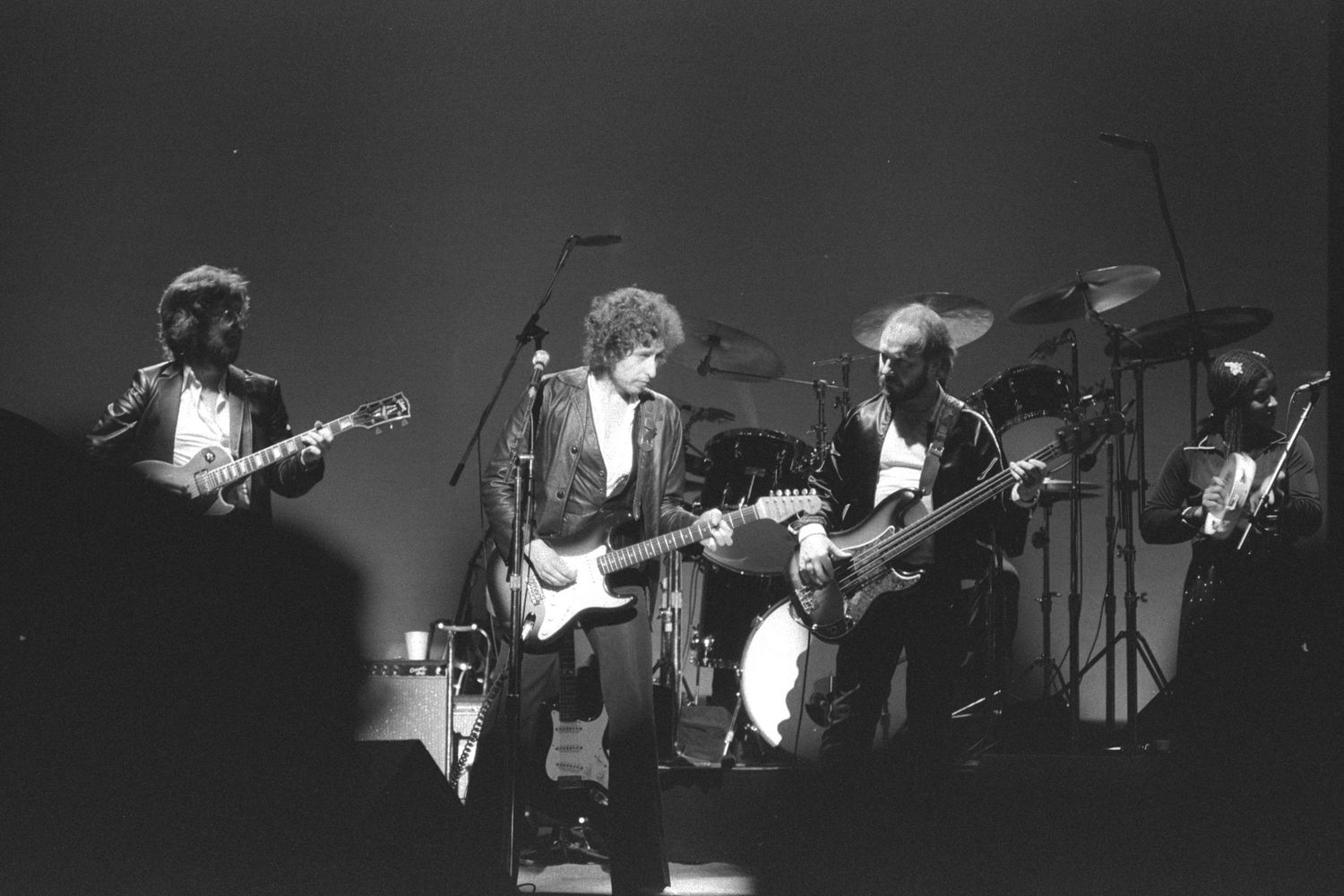
Bob Dylan
Bob Dylan (born Robert Allen Zimmerman, May 24, 1941) is an American singer-songwriter and cultural icon, widely regarded as one of the greatest songwriters of all time. With a career spanning over six decades and more than 125 million records sold, he helped shape modern music by blending folk, rock, and poetic lyricism.
Rising to fame in the early 1960s, Dylan became a voice of the civil rights and antiwar movements with songs like "Blowin’ in the Wind" and "The Times They Are a-Changin’". He sparked controversy by going electric in the mid-1960s with landmark albums like Highway 61 Revisited and Blonde on Blonde, and redefined songwriting with tracks like "Like a Rolling Stone".
Following a 1966 motorcycle crash, Dylan explored new musical directions, including country and gospel, and earned critical acclaim with albums such as Blood on the Tracks and Time Out of Mind. He has toured continuously since the late 1980s on his "Never Ending Tour" and remains active as both a musician and visual artist.
Dylan’s honors include 10 Grammy Awards, an Academy Award, the Presidential Medal of Freedom, and the 2016 Nobel Prize in Literature for redefining the boundaries of songwriting.
Get in Touch
Let's craft memories that last a lifetime